Images etc.
Todd Cotgreave
This page contains:
l. Photo examples.
2. Video examples.
3. Writing examples.
***The following is not for public release. All content is copyrighted. ***
!PLEASE DO NOT SHARE!
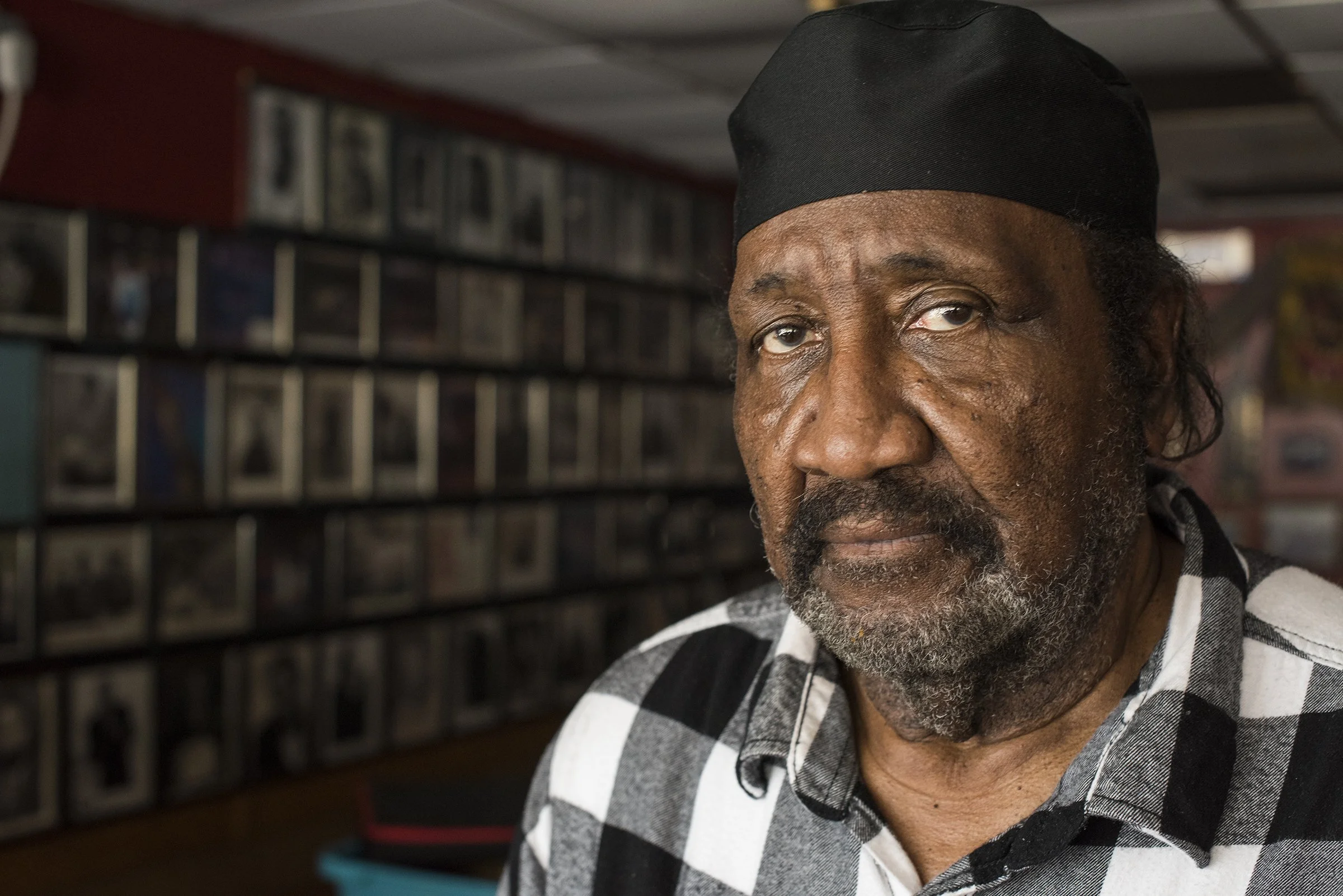
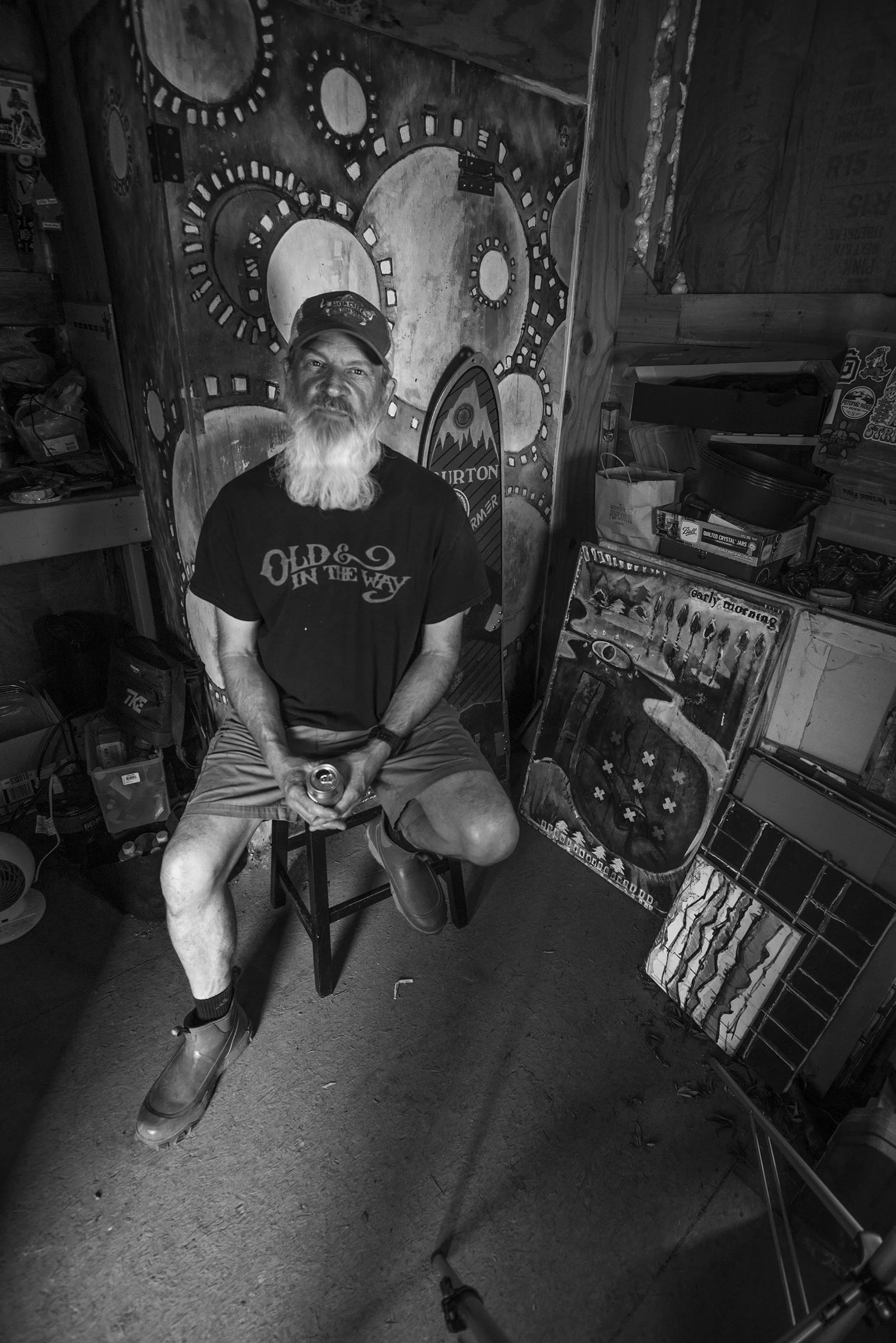
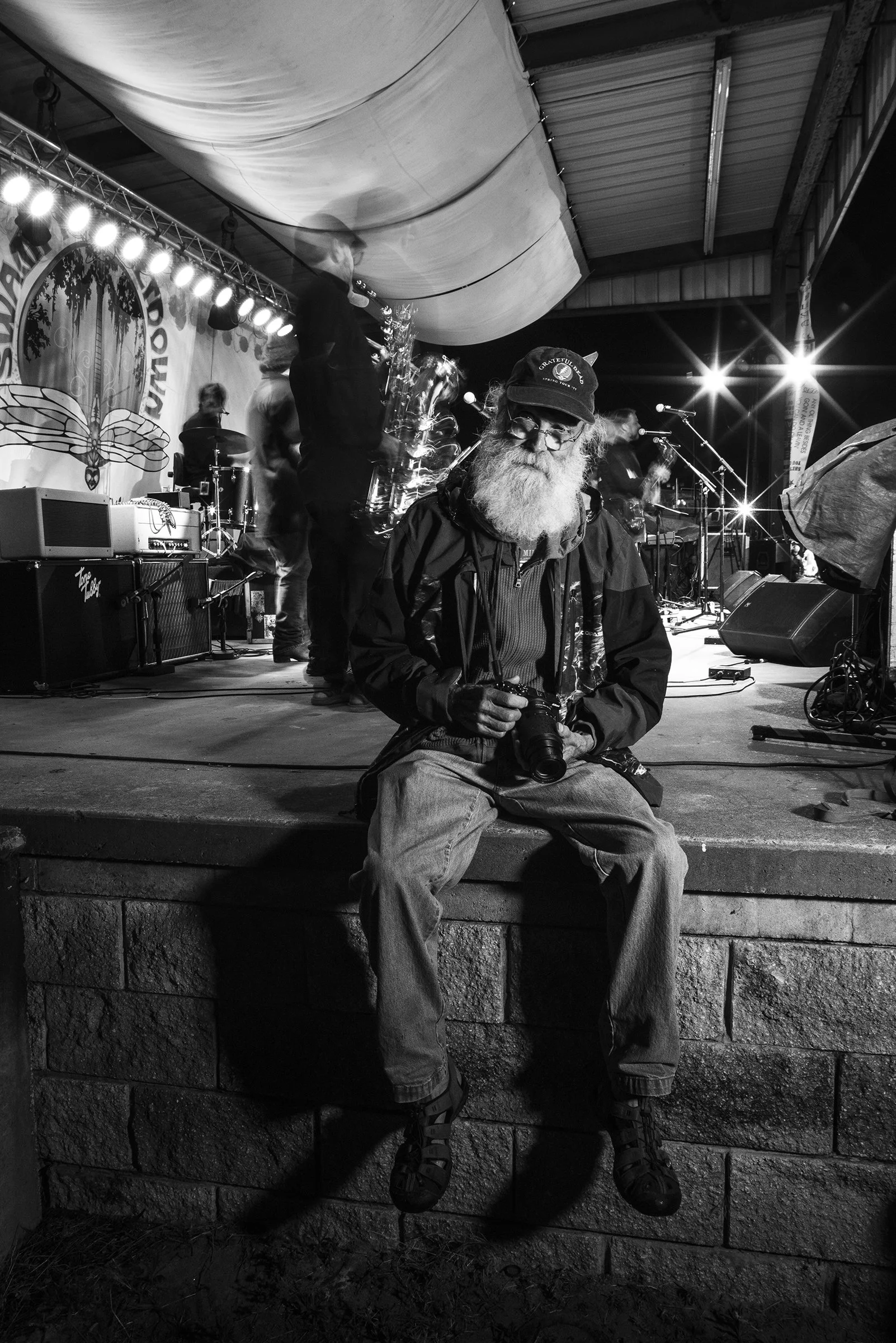
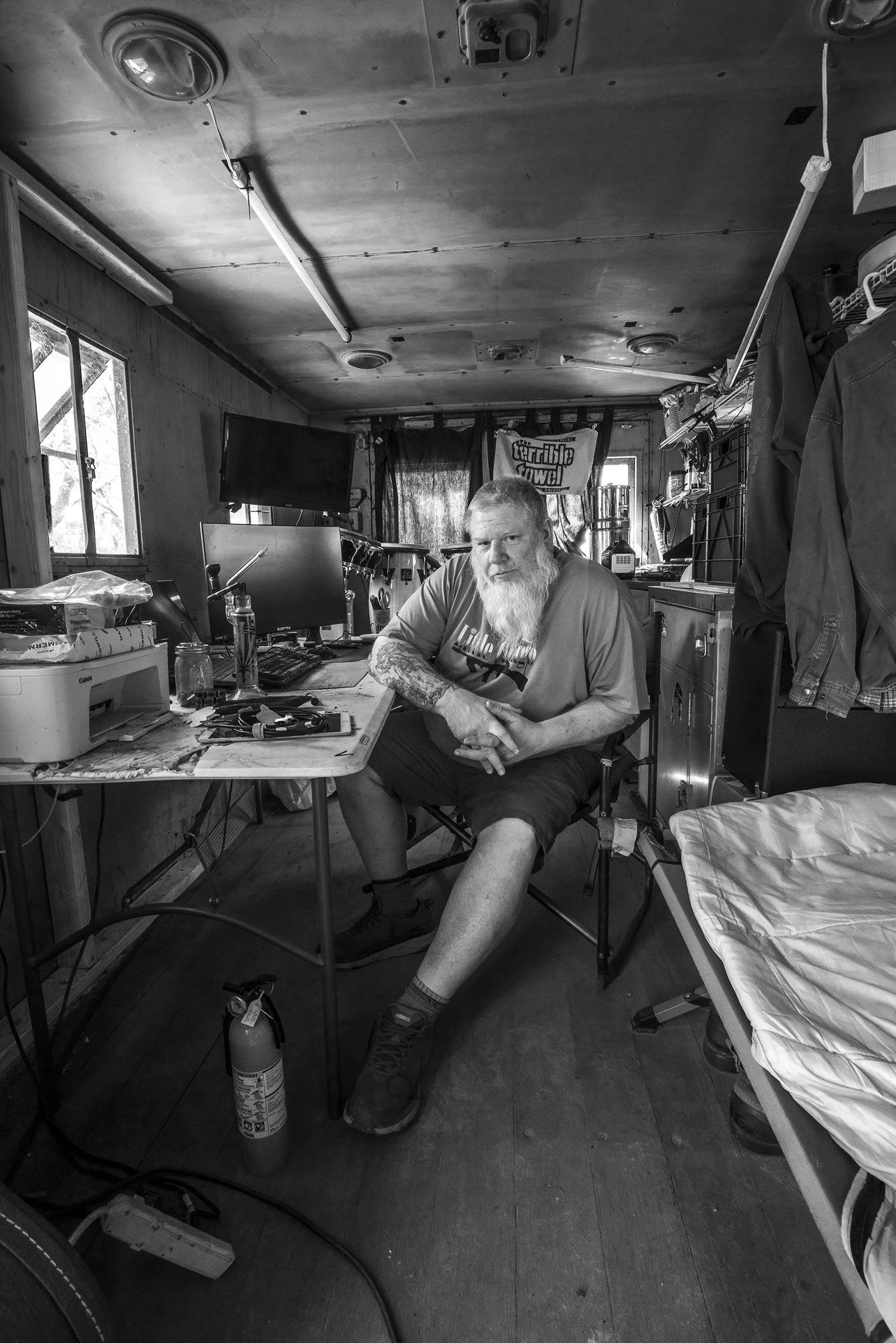
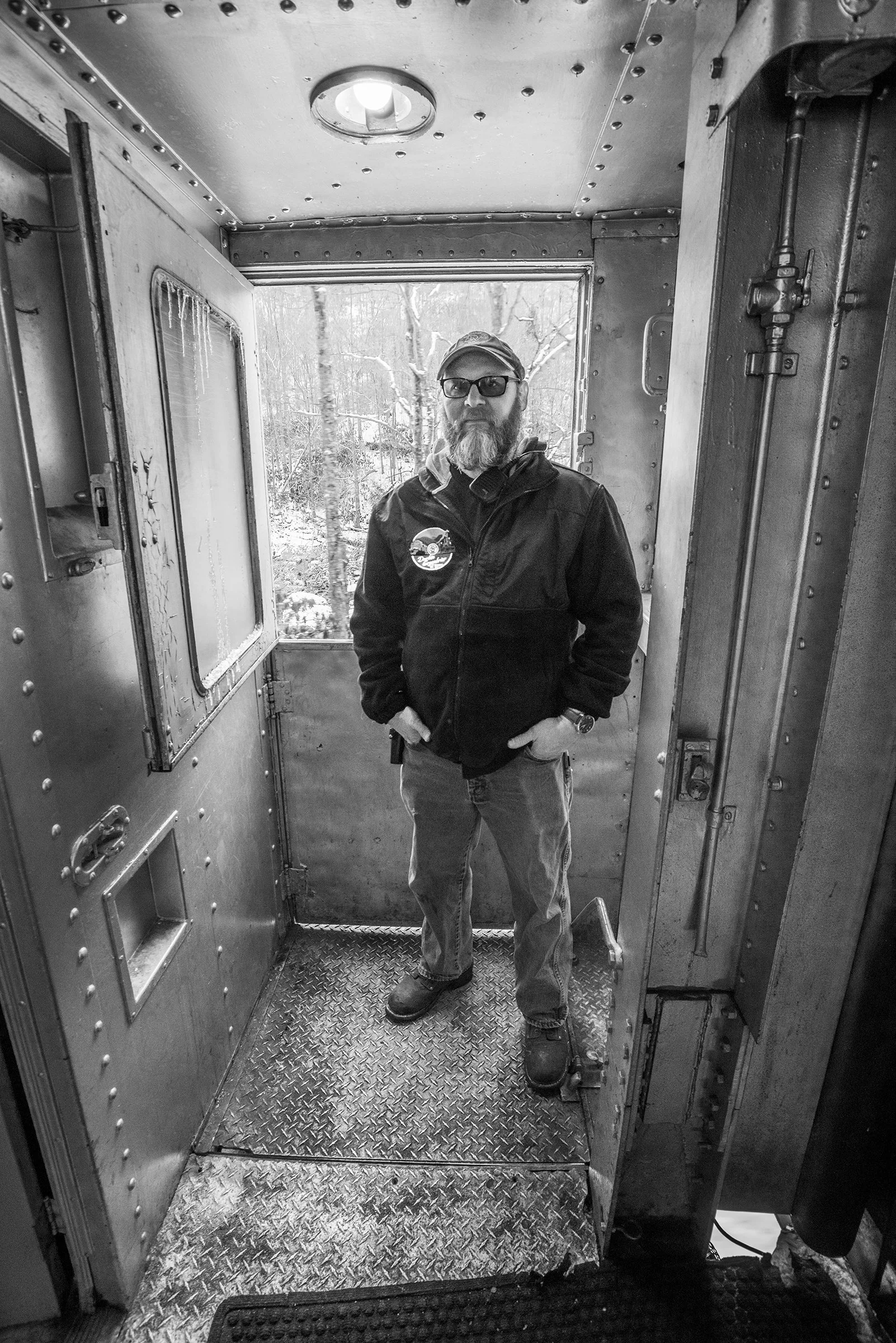


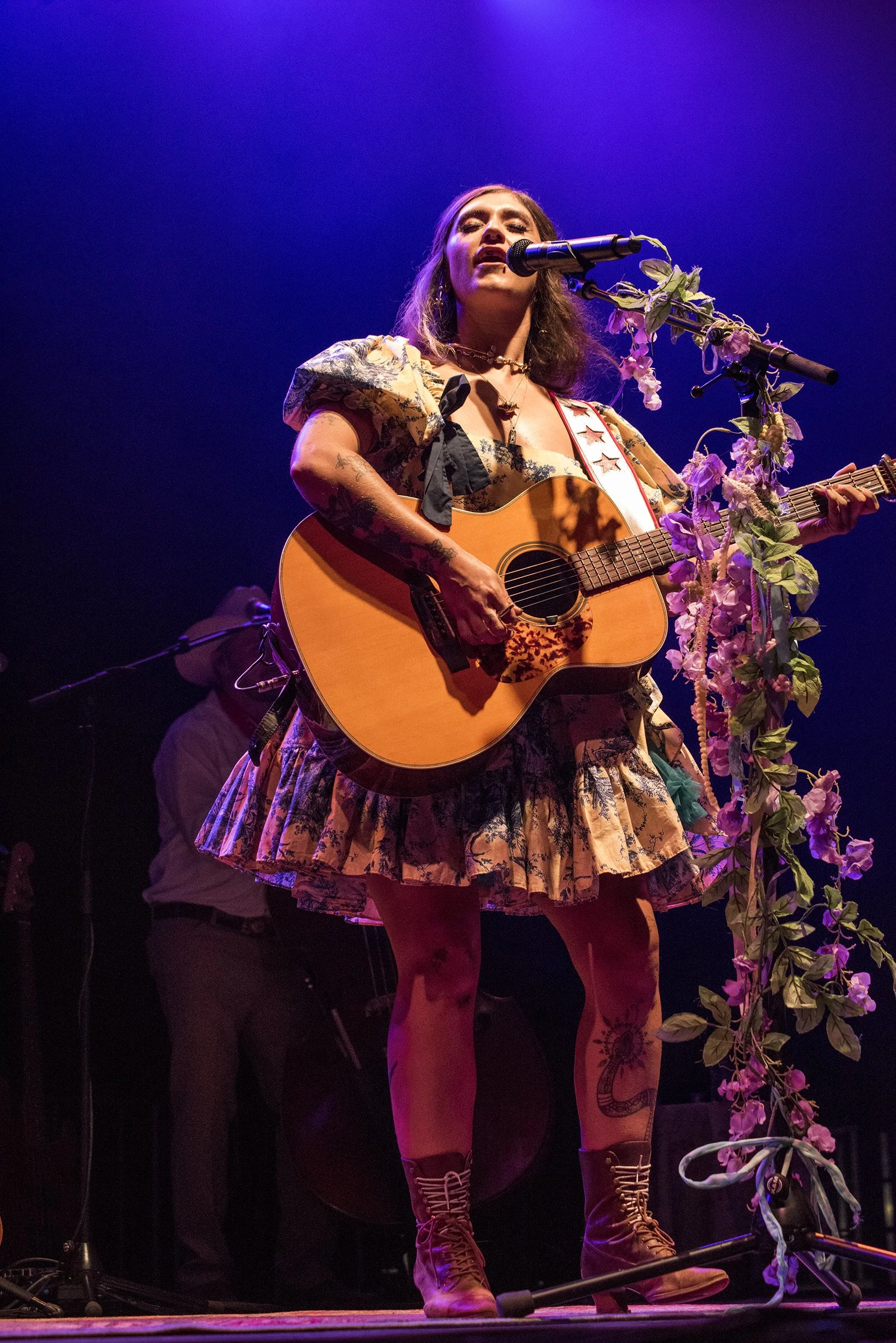
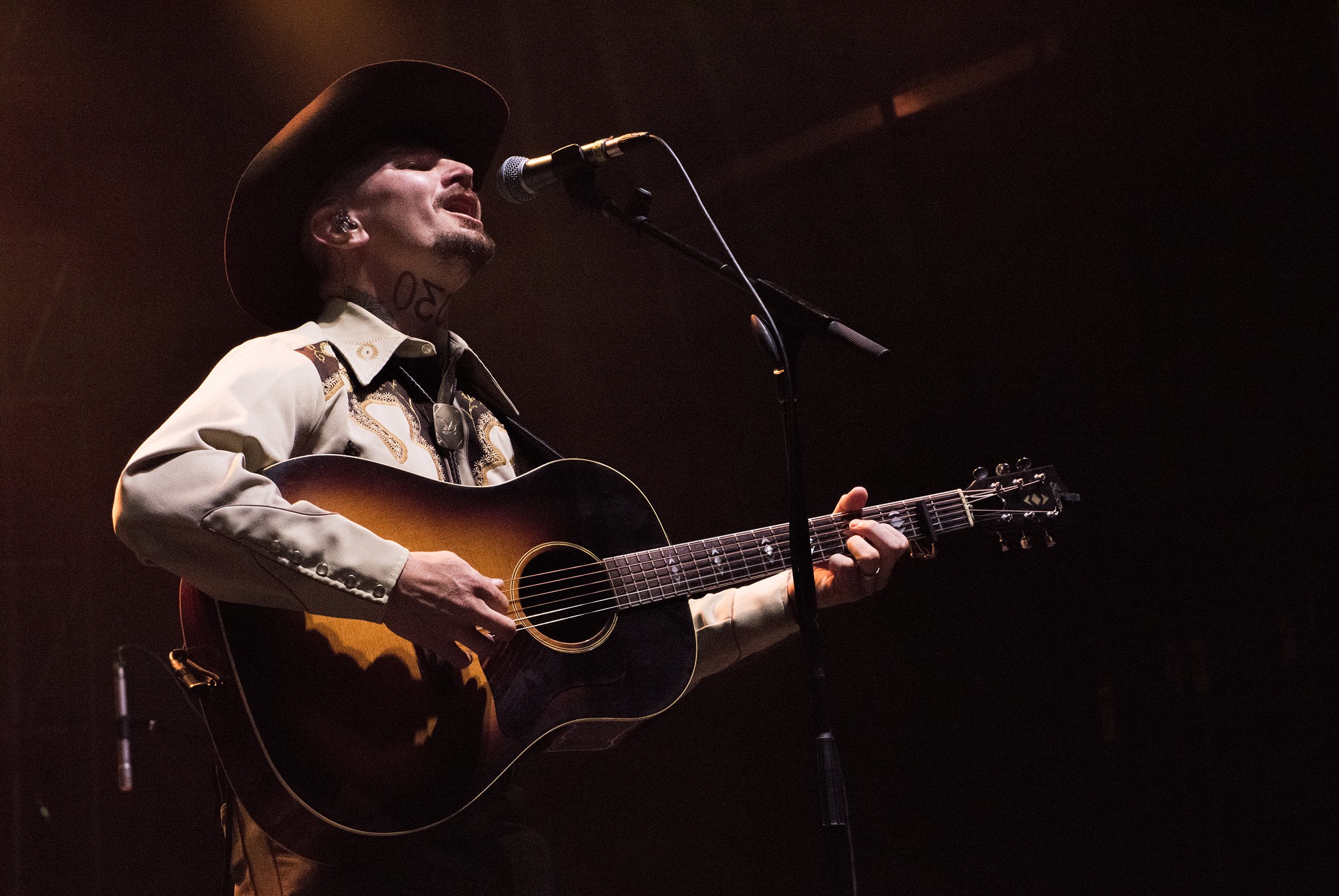
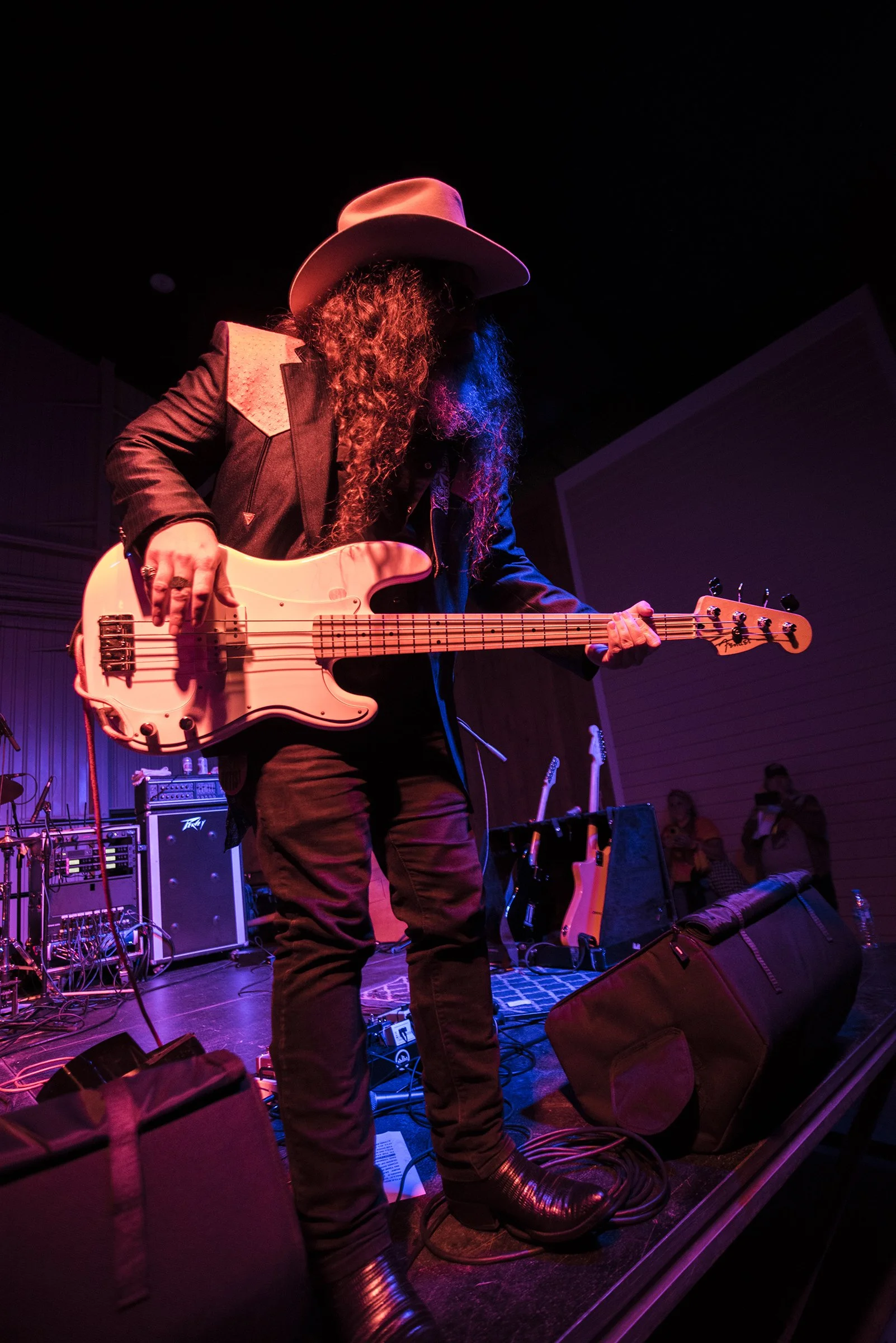
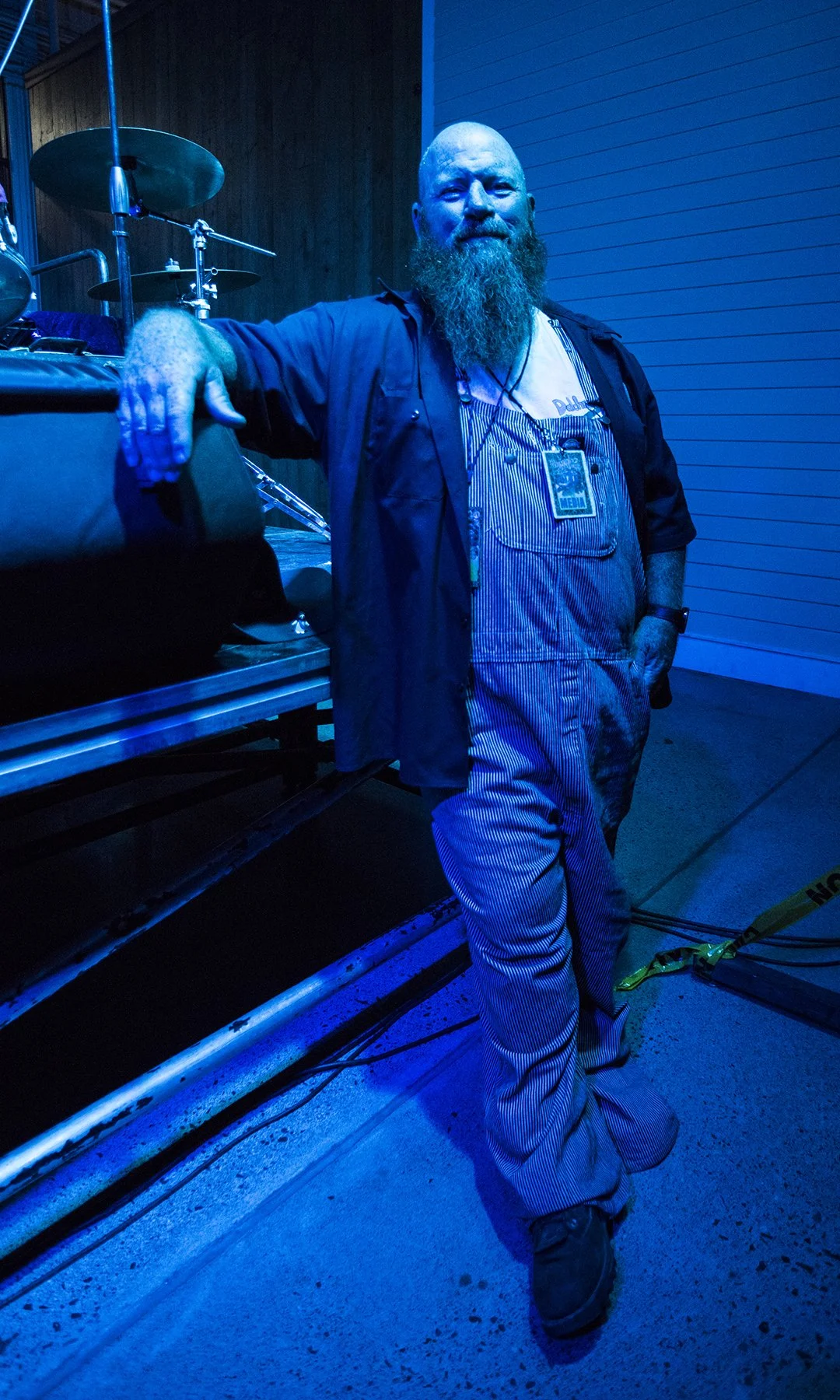
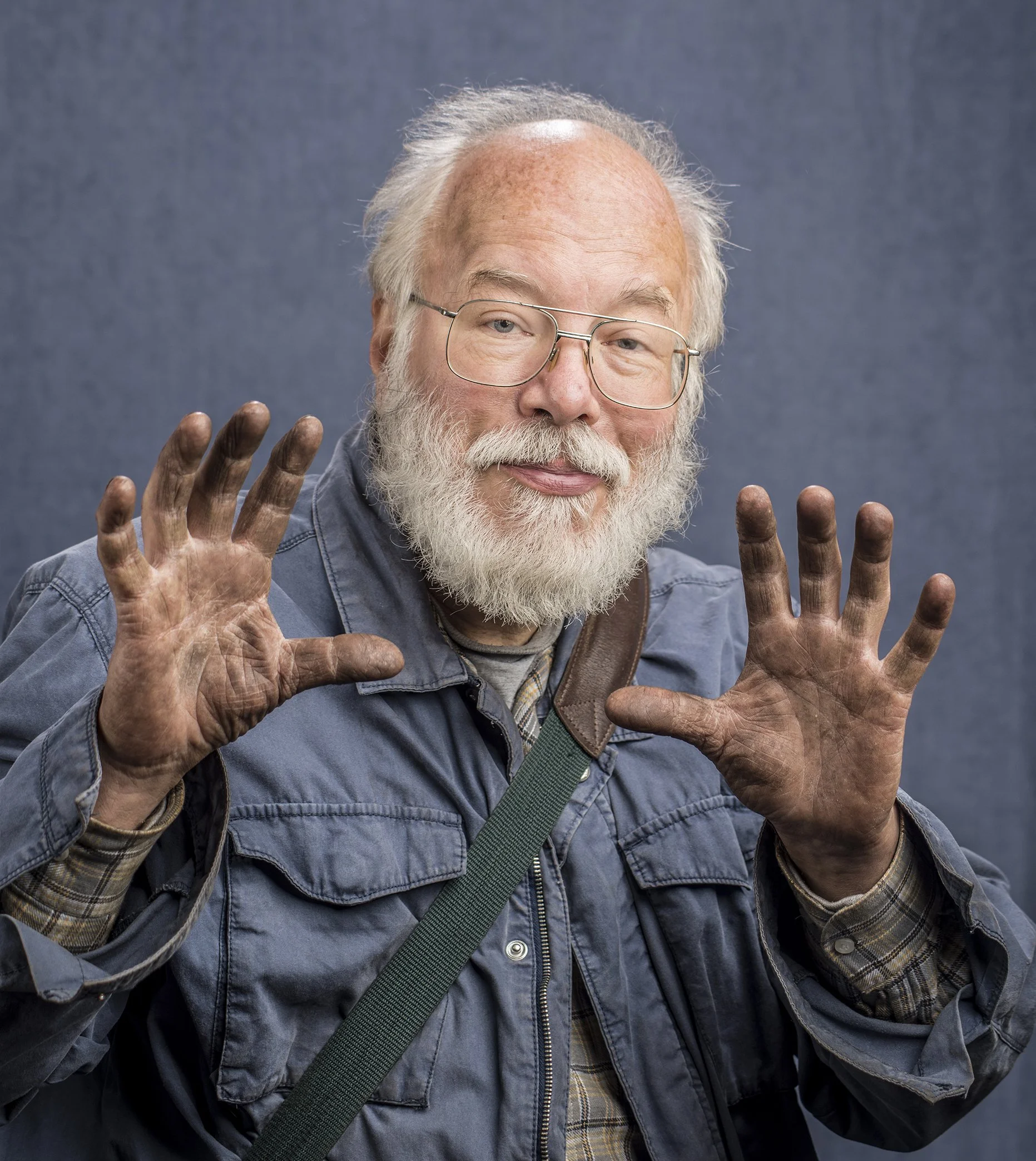

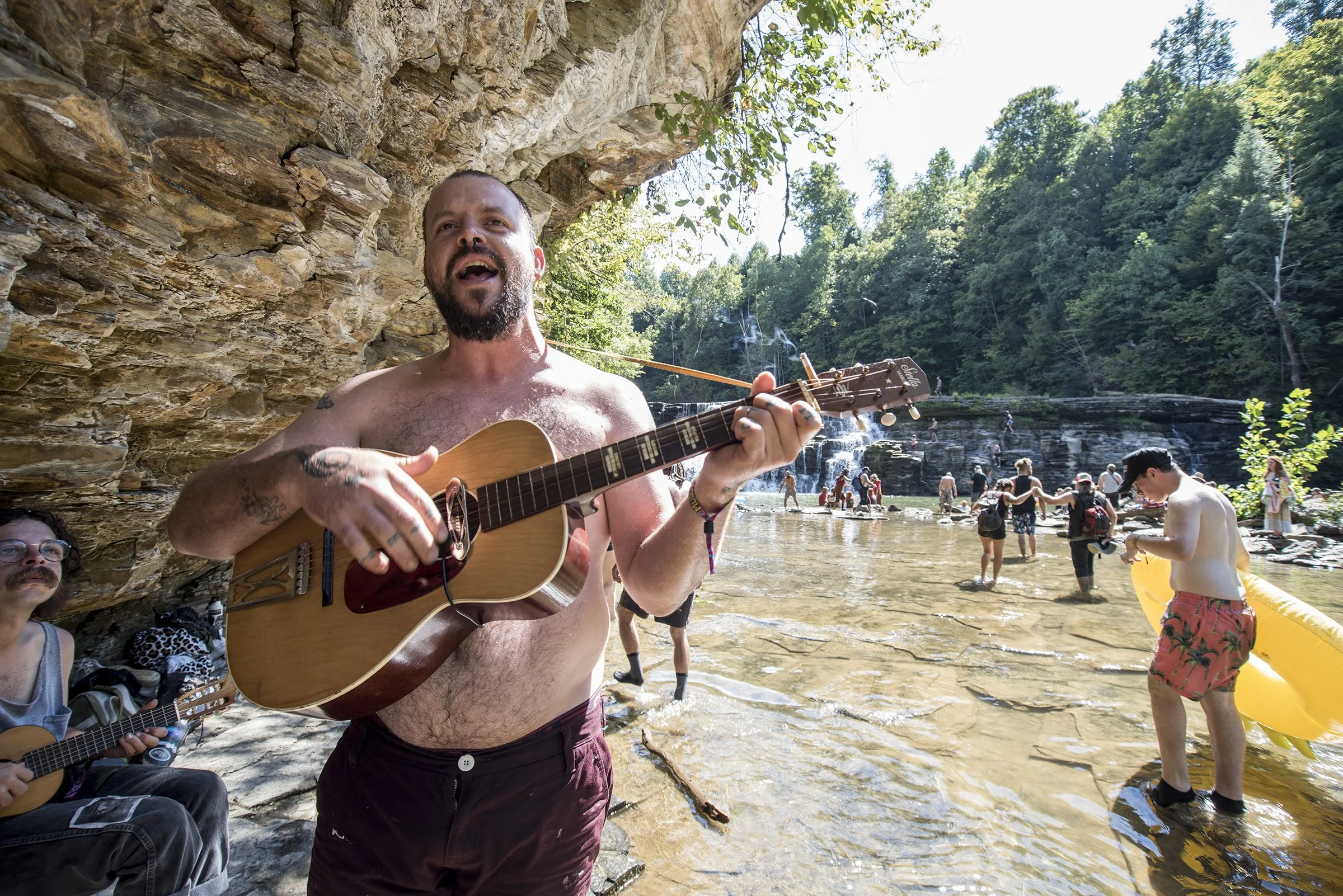
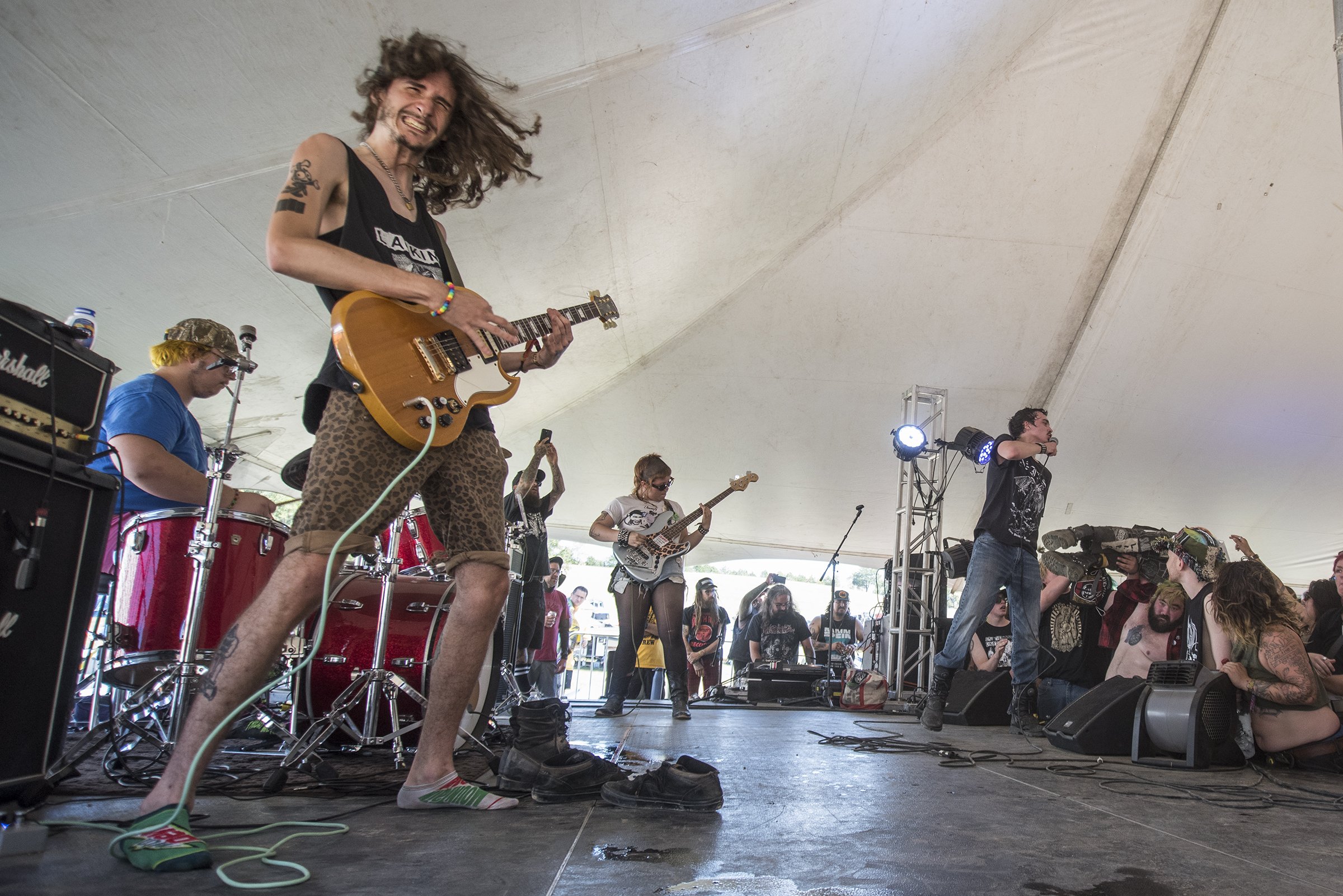
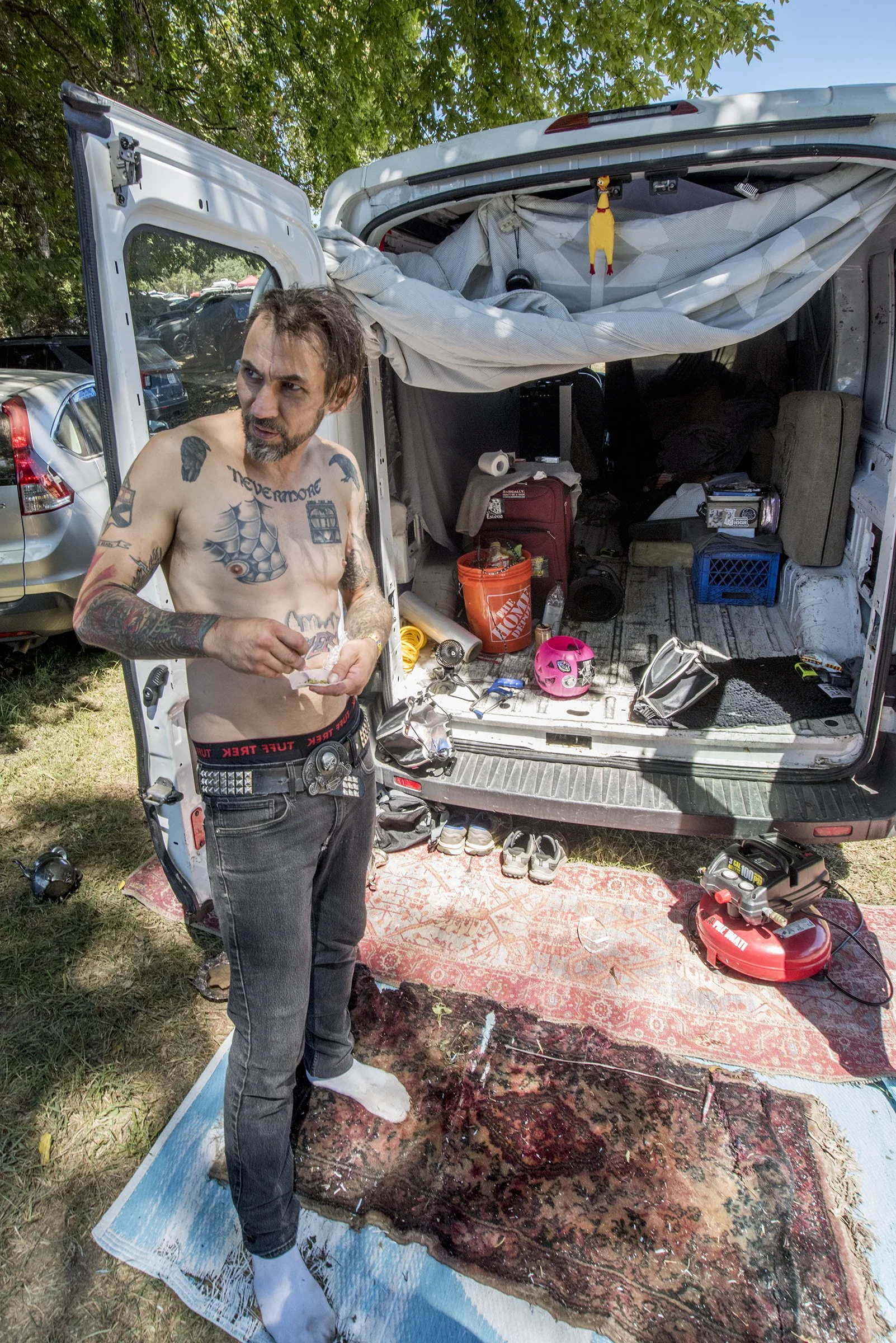
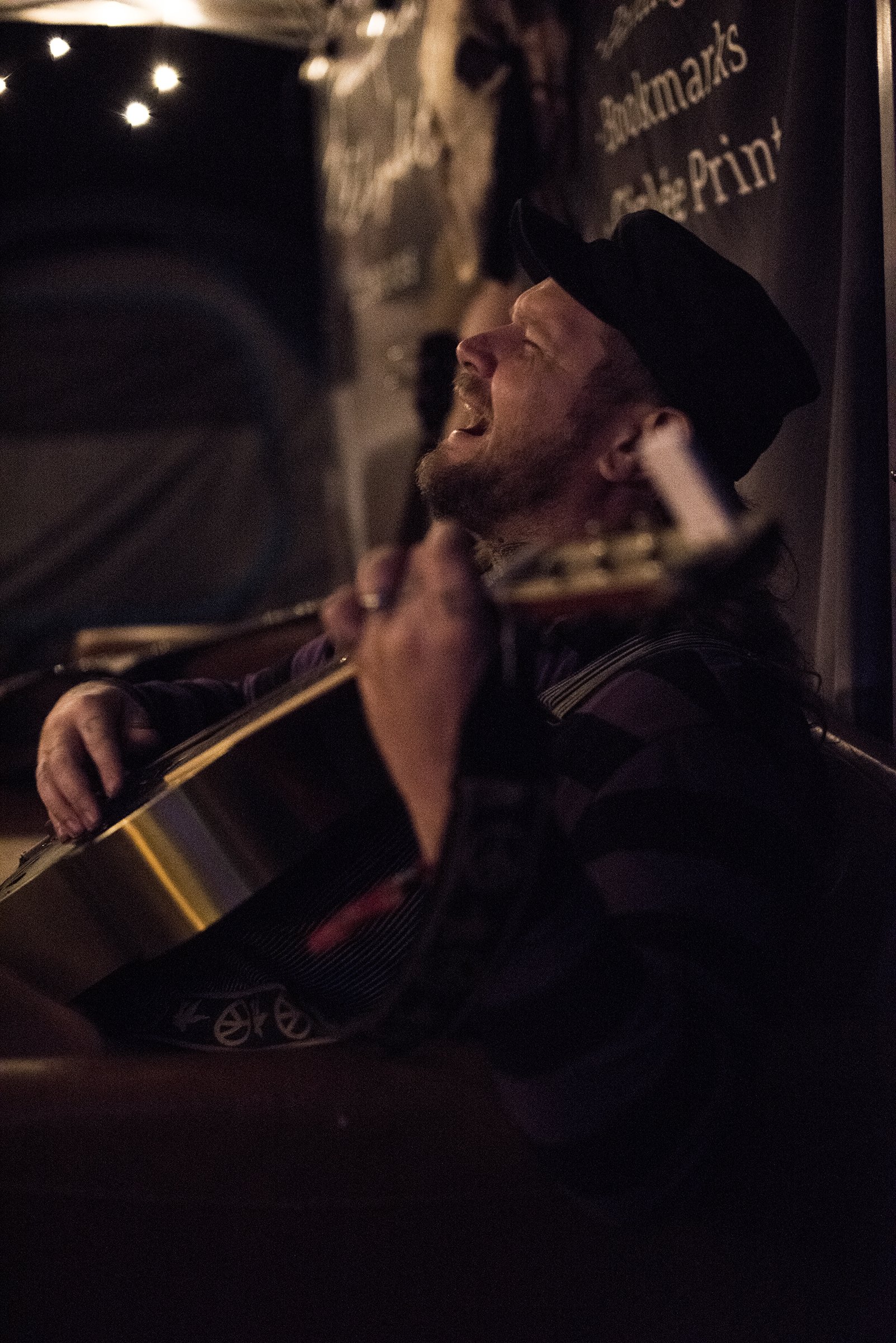
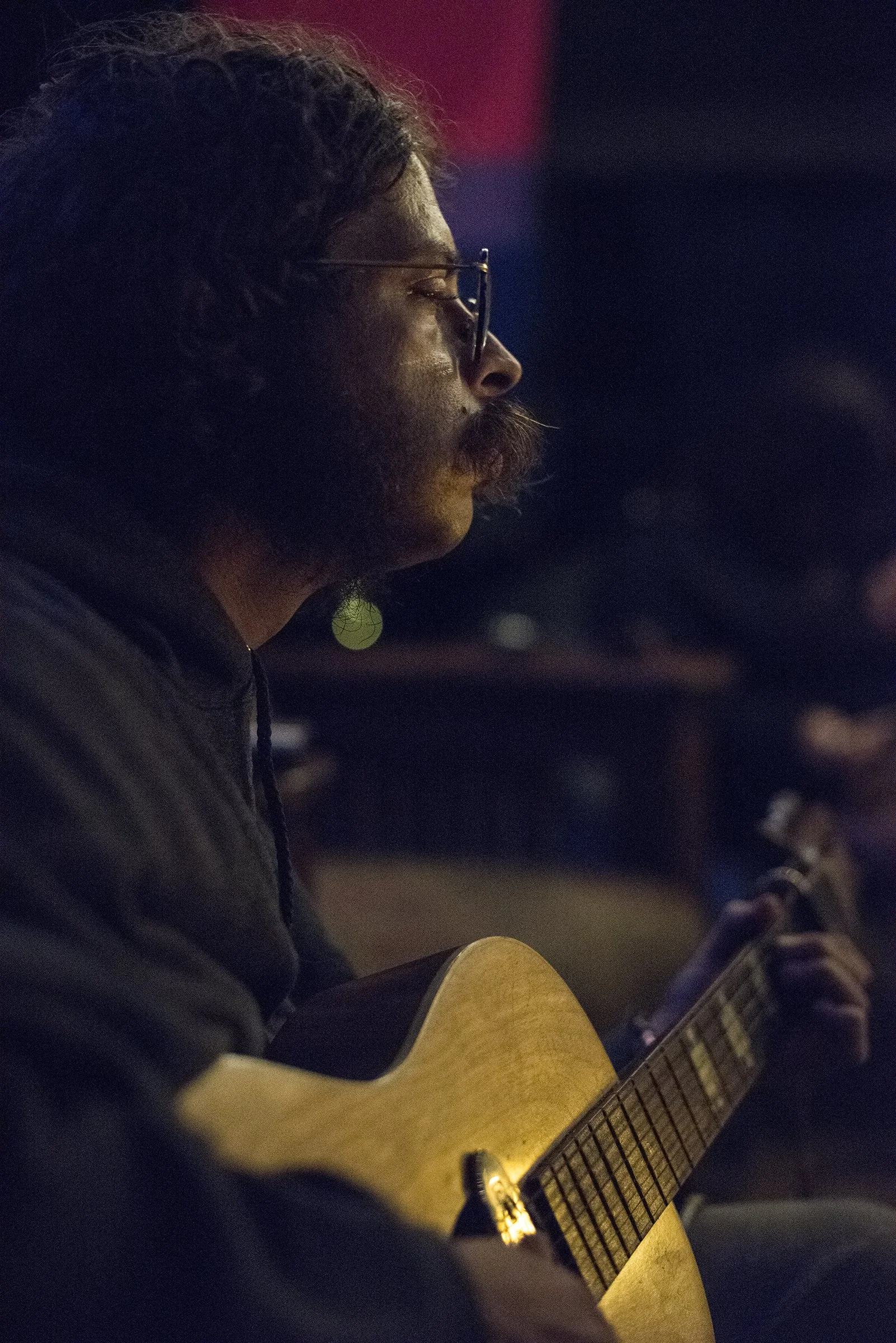
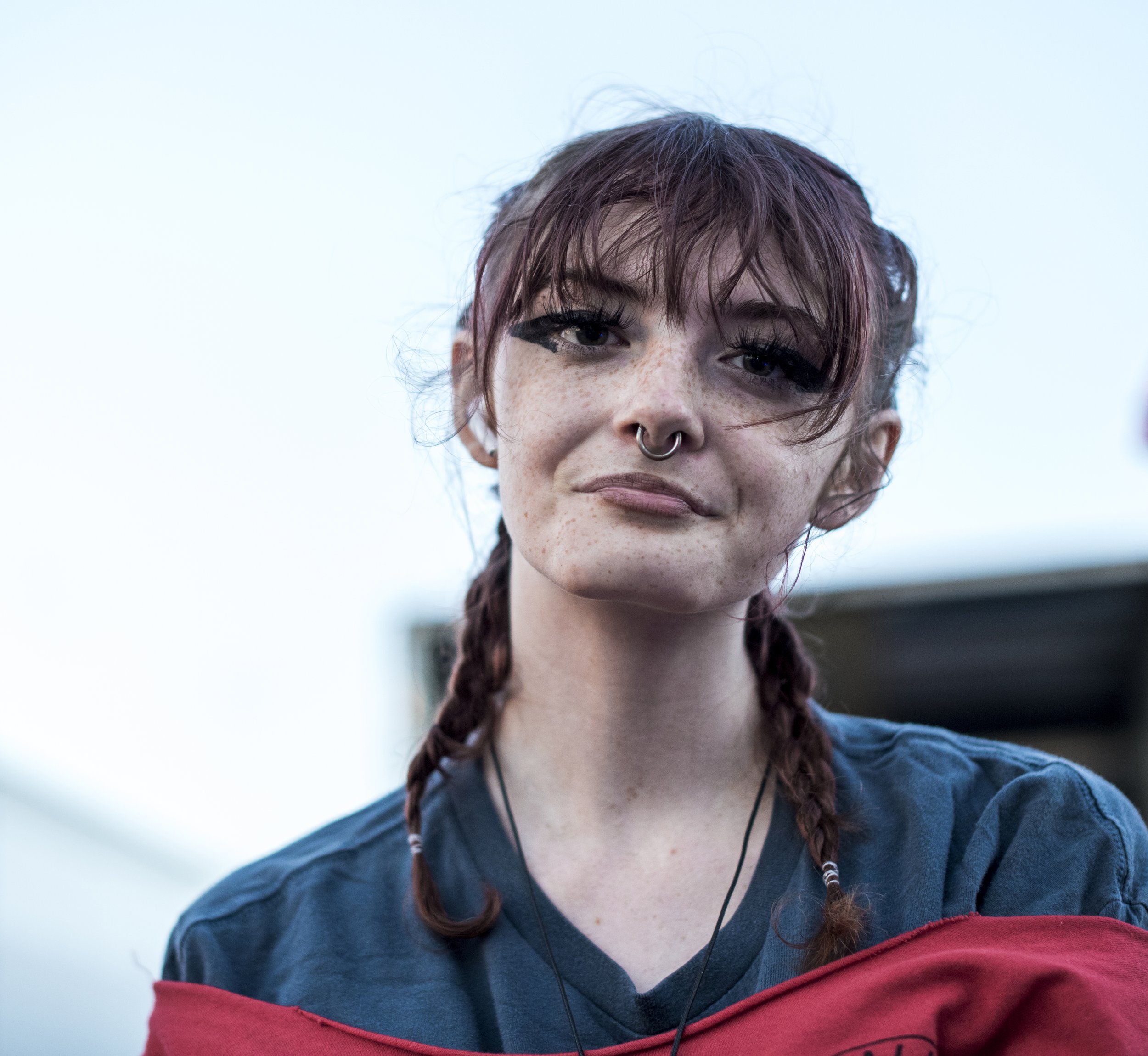
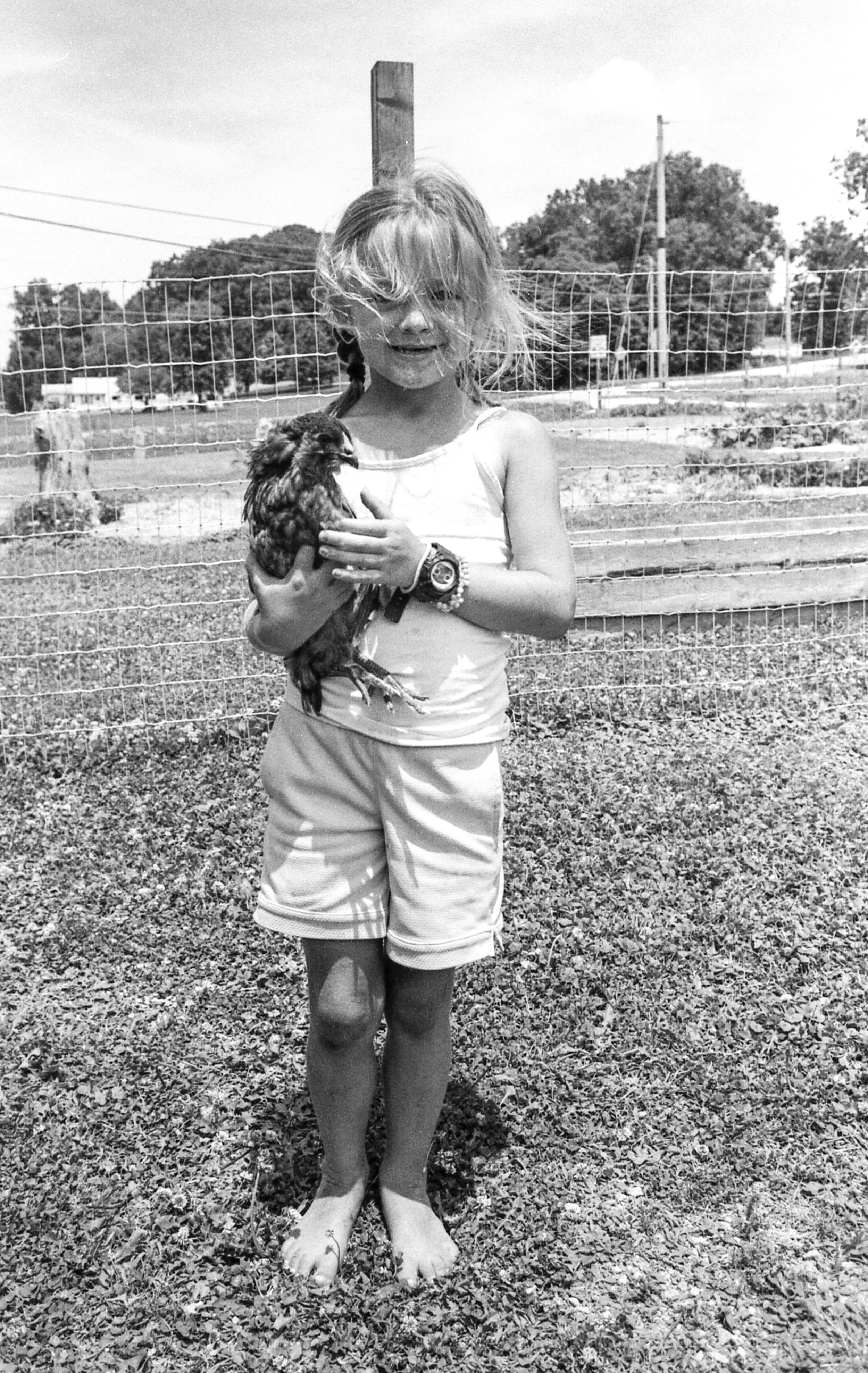
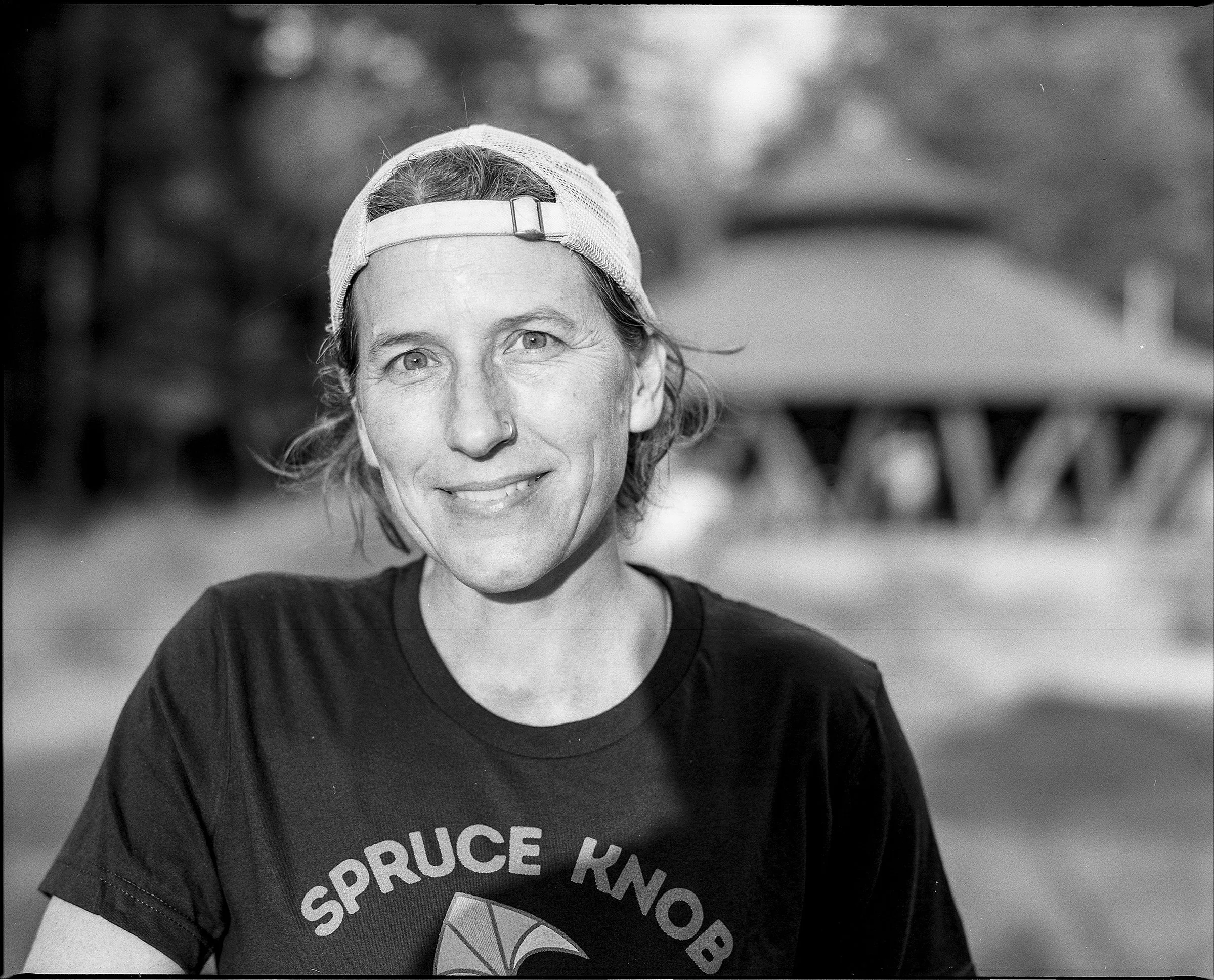
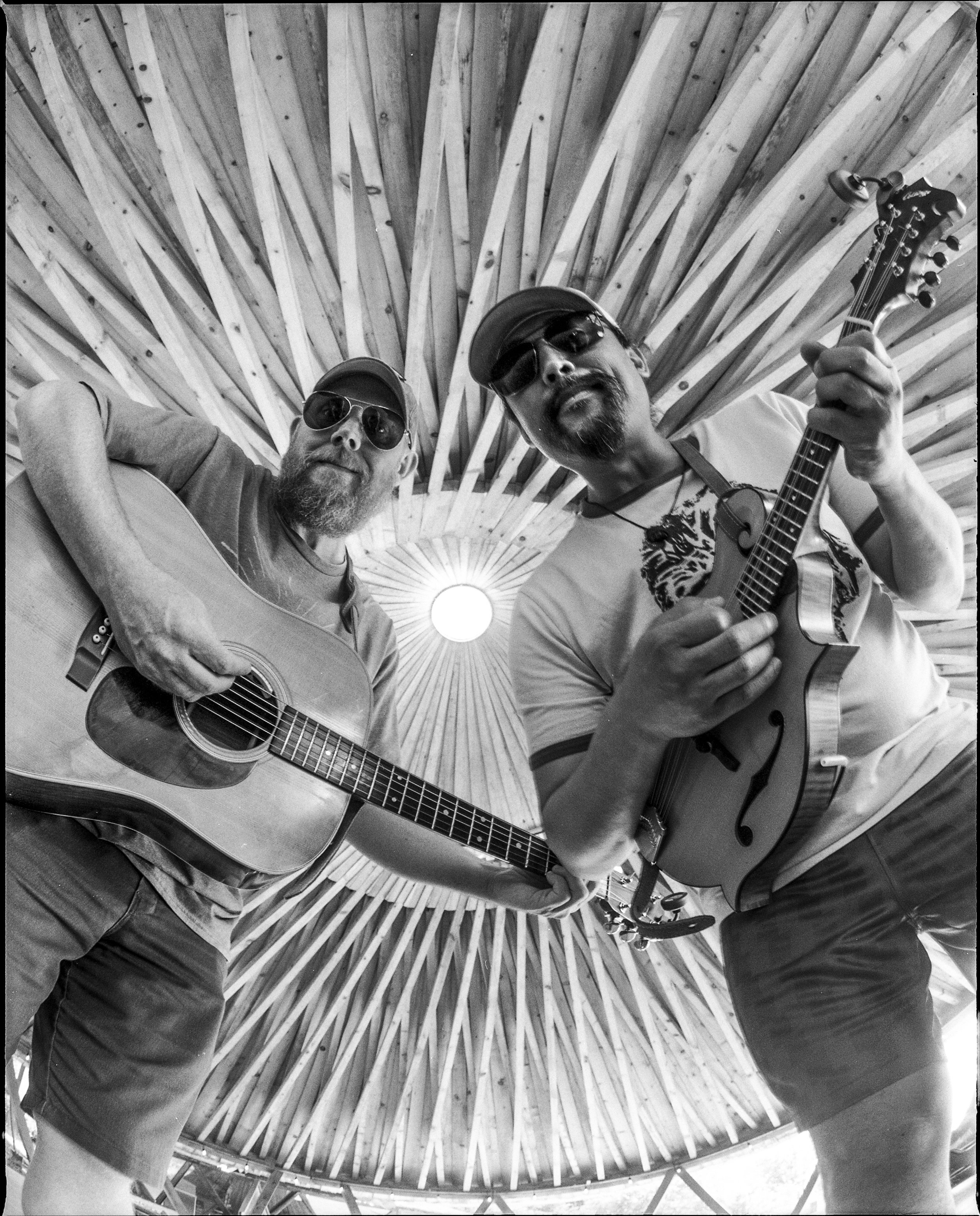
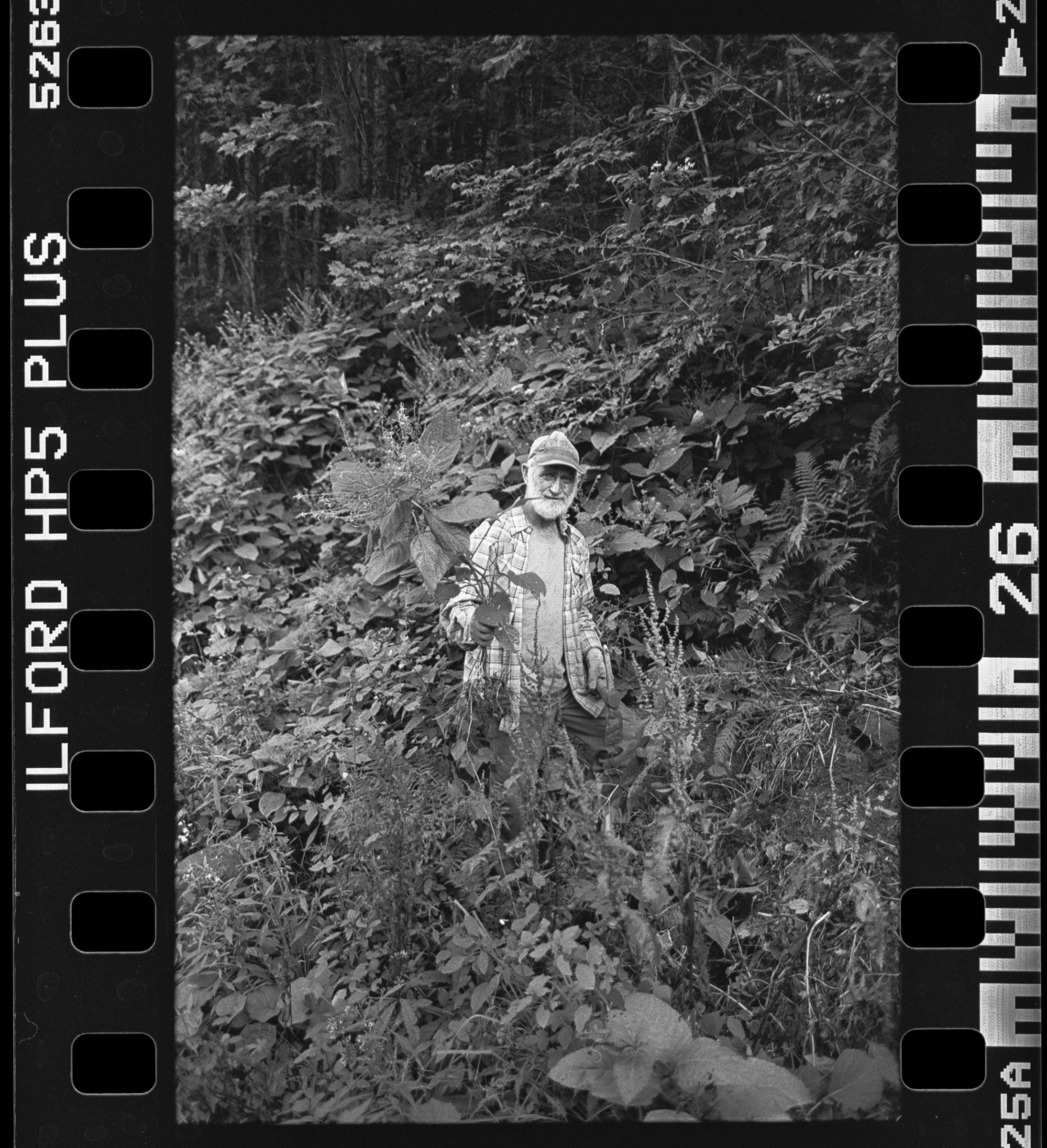
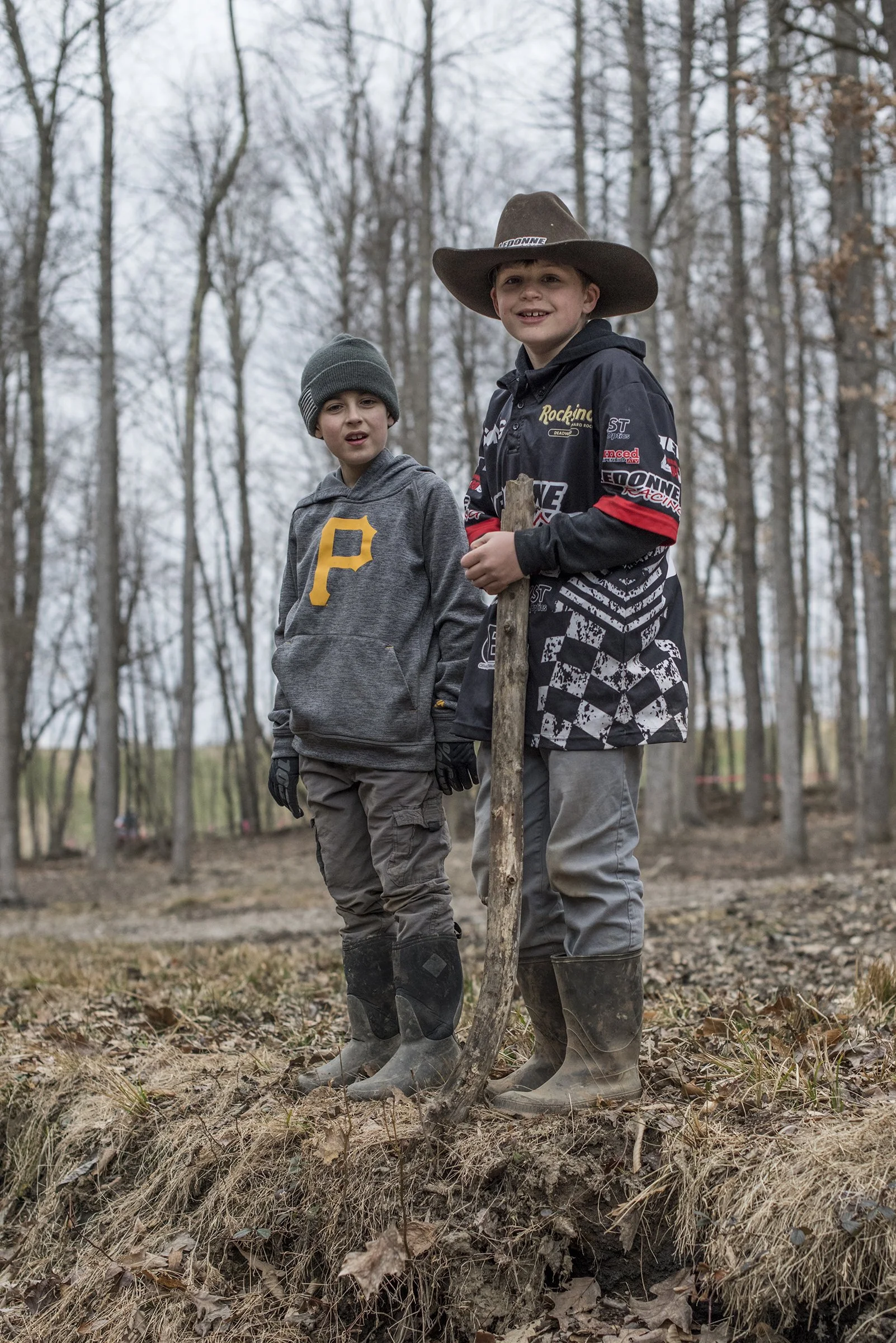
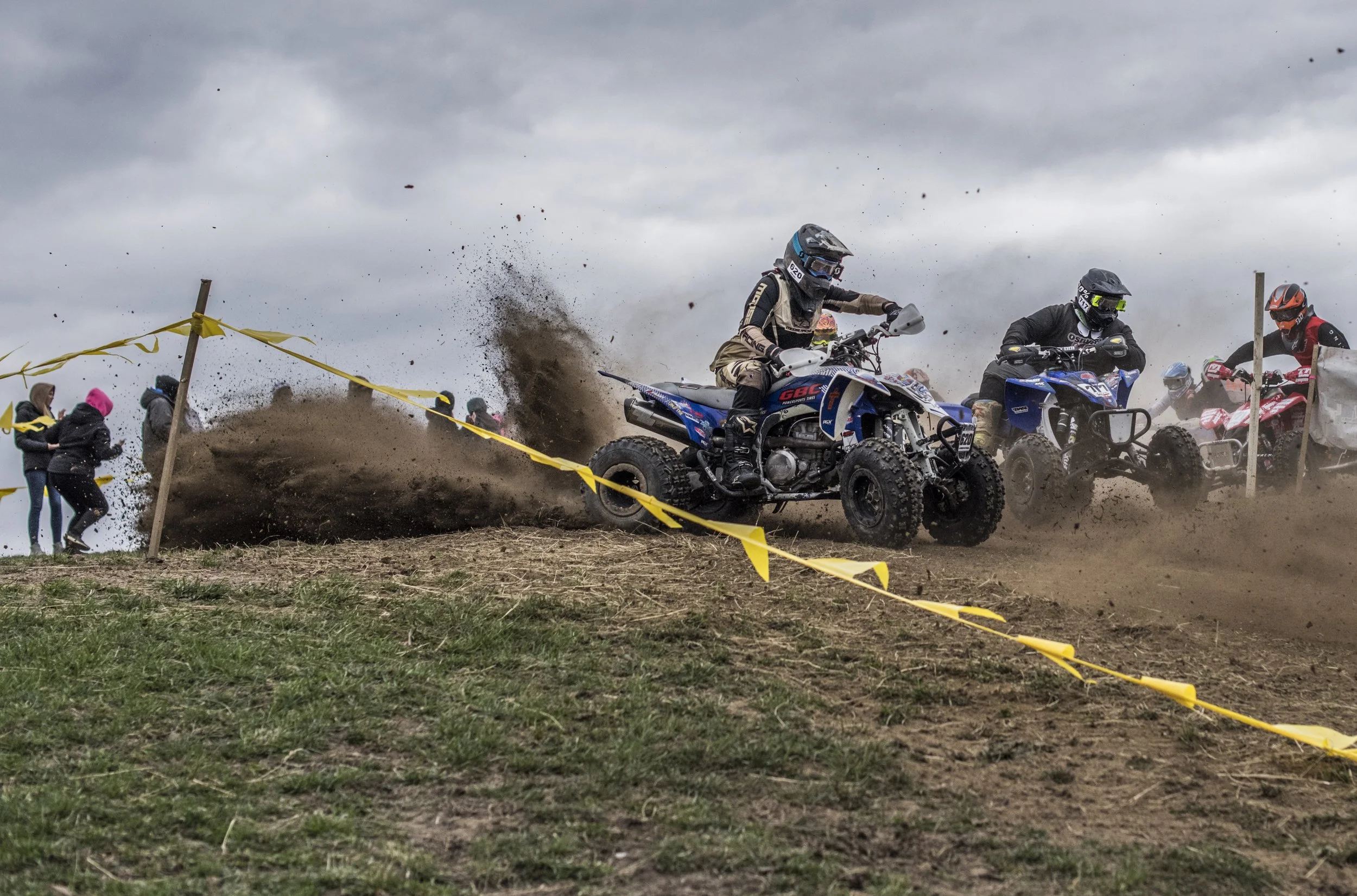
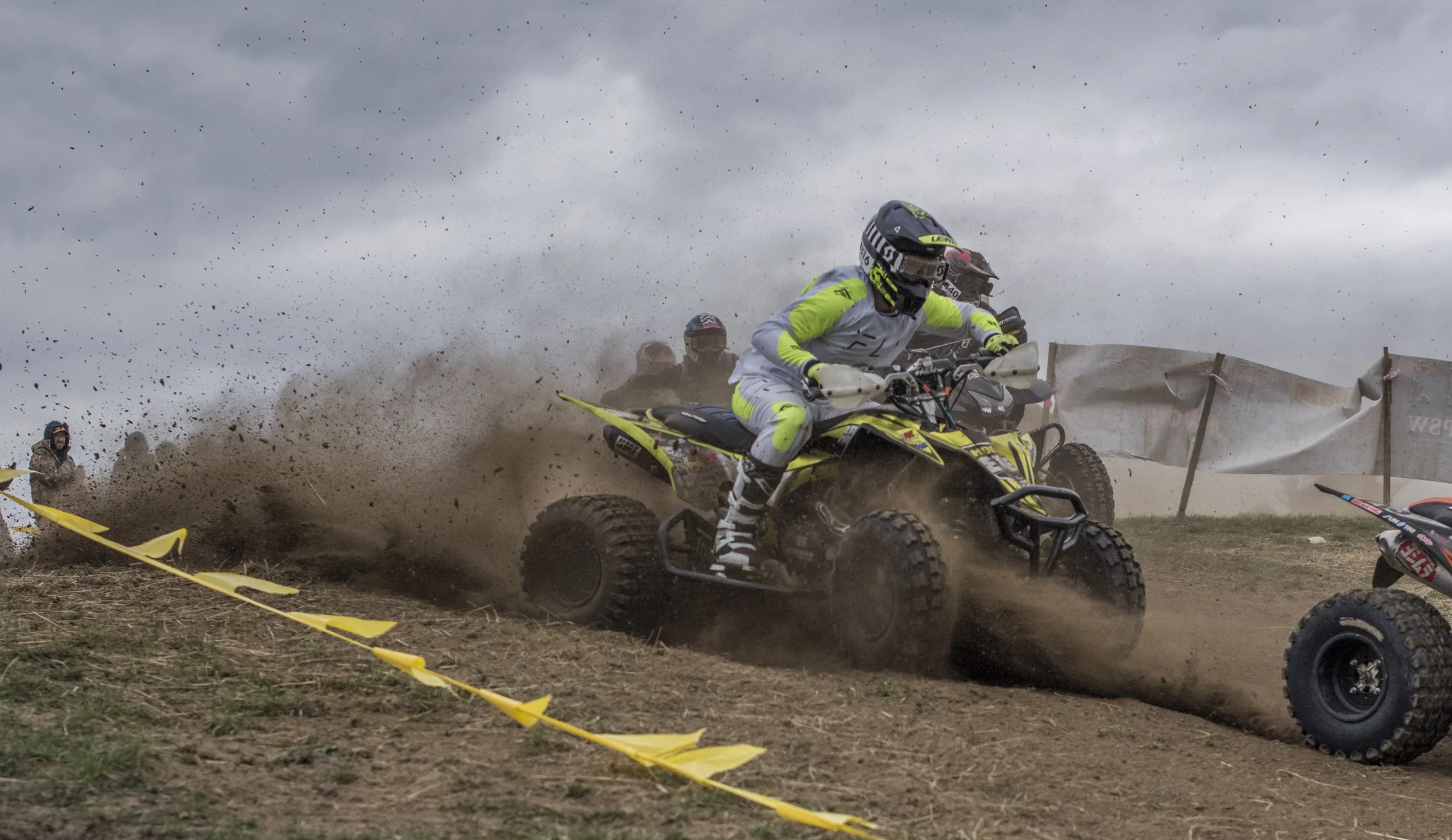
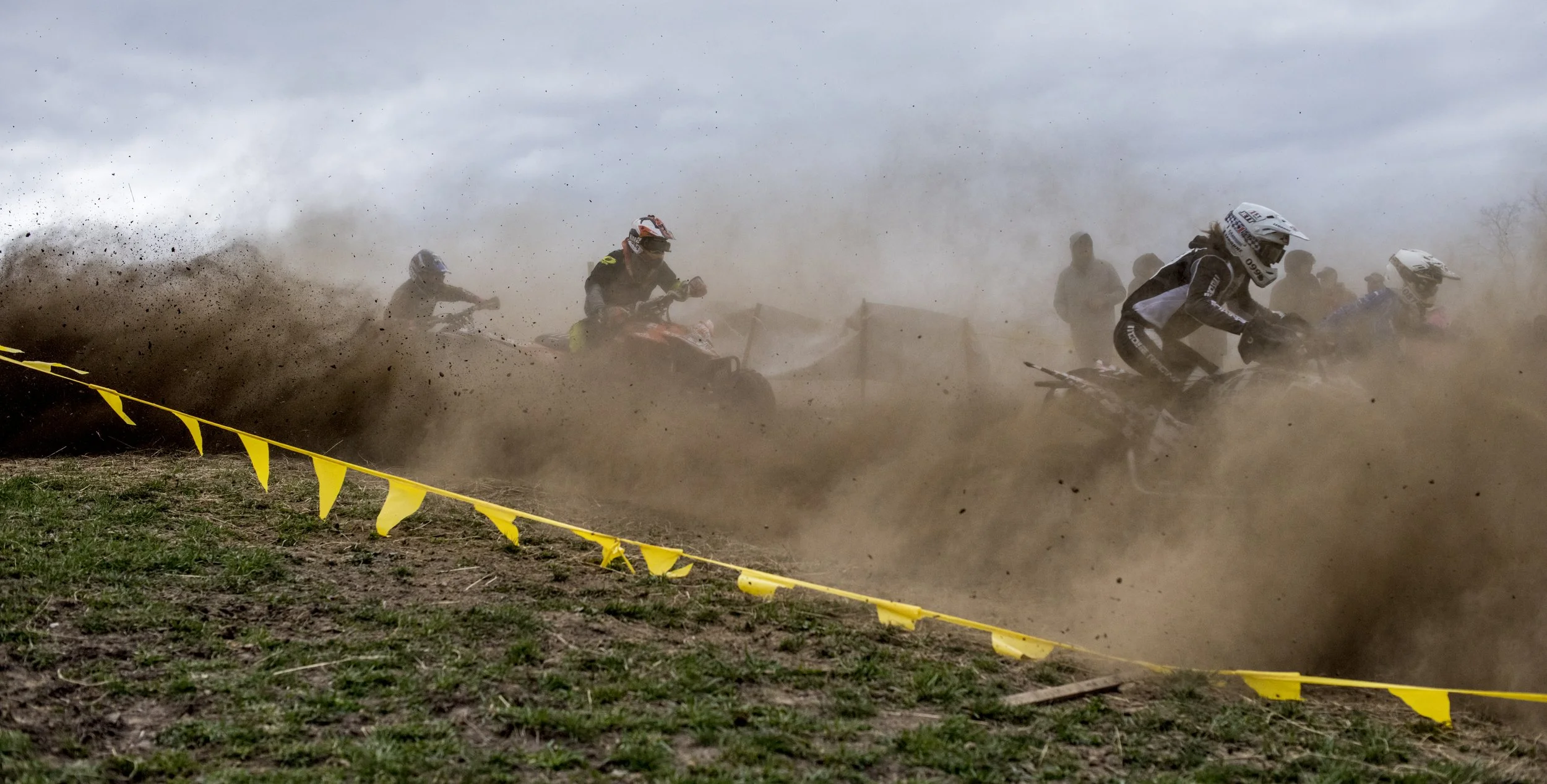
Video
Words
The Tale of Carroll Rudy
Story and photos by Todd Cotgreave
Introduction
I was driving on old but familiar roads in Hardy County West Virginia trying to figure out what this magazine was going to be about when I saw an old grocery store that has been closed for as long as I can remember. My hands (seemingly acting on their own) were already pulling into the driveway as I noticed and elderly man wearing cutoffs pulling a lawnmower out of his shed. I hopped out and introduced myself, which is to say, I could barely introduce myself. I had no magazine title yet, no business card, no old copies of my work, no credibility to ask what so easily came out of my mouth,
“Hi, I’m Todd. Mind if I ask you some questions and take your picture?”
The man replied, “If you’re going to take pictures, my lady friend is going to want to be in them, hold on a minute,”
Reality kicked in, what am I doing pulling into a random person’s house just asking to invade their privacy and interrupt their day? I must be crazy! This was also the first step (although at this moment I hadn’t pieced it together yet) into remembering that West Virginians are just plain… well… they are just plain friendly. Call it old fashioned, call it country, call it what you will but within a minute the man walked back out of his house… lady friend in tow and said,
“I’m Carroll Rudy, that’s with two R’s and two L’s. How can we help you?”
The conversation was so easy and pleasant. He introduced me to his girlfriend Catherine Painter, and we set about talking and looking at how beautiful it was there. He mentioned that land was so pretty, it was once on the cover of the phone book. Ten to fifteen minutes into chatting he paused and took a deep, long look at me and said,
“We’re getting to be friends wouldn’t you think?”
“I’d like to think so, yes.”
He got closer and looked directly into my eyes and said softly, as if to share a secret, “Well friends of mine can fish here anytime they want.”
He yelled for Catherine to run and get something be she cut him off mid ask, “I got it already. I figured you were going to ask for it.”
She handed him the world’s smallest notebook and he wrote me a note on it. It read: “I give permission to Todd to fish on my property. Signed Carroll Rudy”. It was about the nicest, and sweetest thing I’ve ever been a part of. *
“This way, if you’re out here fishing and the state police come up on you, you just show them this, and you’ll be fine. They can’t do a thing to you.”
I would say yes, most definitely yes, we were friends. How can you not be friends with someone that opens their home and life to you after just having met a few minutes prior? You can say a bit of my faith in humanity was restored right then and there.
We talked for a few hours and walked all over the property discussing life past and present in his tiny town of McCauley. One of the nicest parts was being invited back to go for a hike up the mountain where his old TV antenna sits. He said there was a beautiful view that I just had to see.
I can’t wait. But until then, here is the beginning of our magazine a Wide Place in the Road and the tale of Carroll Rudy
*For those unfamiliar, fishing rights are a big deal in WV. 90% of the land is private, and most keep a watch out to make sure no one will fish out their favorite spot. Offering a note with lifetime access is akin to handing over the keys to a Cadillac.
The Tale of Carroll Rudy
Carroll Rudy lives in a place so remote even the rivers get lost. McCauley, West Virginia is just southeast of where the Lost River flows underground only later to emerge with its name changed to the Capon River. Last year McCauley had an estimated population of 3. It’s as remote as it is beautiful, but if you want to fish the river, you’d better be friends with Carroll before you go as he routinely “patrols” the riverside for trespassers.
Born in a house at Baughman Settlement, which is another similar sized town less than 3 miles from McCauley, Carroll has been everywhere and done about everything a person could do growing up in Hardy County.
“A lot of this is going to be hard to believe but it’s fact.” Carroll says about all the places he worked and lived.
One of his first jobs (while he was still in primary school) was raising over one hundred chickens all on his own. He was up every day before sunrise, and back again in the evening to take care of them and make sure they were fed and healthy. He wasn’t paid for it, he did as a way to help his parents out. During his teenager years he put many miles on his bicycle by delivering both household items for Blair Products, and by selling copies of Grit magazine. Not that he wasn’t busy enough doing that, he would also be up before dawn, but this time instead of raising chickens, he was employed to catch them. Catch them by the truckload that is,
“We got paid four dollars a load, didn’t make a damn whether it was a trailer load or truck load, we got paid the same.”
After catching them by hand and loading them, he would ride with the driver as they delivered to places like Franklin, WV or Harrisionburg, VA. He would even go on the long trips up to New York so he could see new places and because the driver would let him drive the truck. Depending on how far away the delivery was, he would either be dropped off at home or close enough that he could walk to school.
A week after graduating from high school, the country was in a recession and Carroll volunteered for the draft.
“Jobs were hard to come by and if you didn’t have the military behind you, forget about it.”
The local handyman stops to discuss a house project.
After his time in the service, he lived everywhere from Cumberland and Keyser to Winchester and Hagerstown. He worked several different jobs, starting off in a shoe center, then onto a cabinet factory in Moorefield. He worked next with Montgomery Wards and then for a short time he was at the Allegheny Ballistic Laboratory near Short Gap, WV. He eventually found a career with Potomac Edison, where he worked for thirty-six years before retiring to his hometown Of McCauley.
“I said you better have a lot of paper if you want to know my story!” Laughed Carroll.
One of his favorite pastimes is to travel nearly an hour and a half to watch horse racing at the race track in Charles Town, WV. Not much of a big gambler, he says,
“Just making small bets that could win big.”
Carroll also used the opportunity to stretch his spending dollars at the local Save-a-Lot. Often working the register was Catherine Painter, who said he was a regular customer, but started spending more time talking with her and less time shopping for the essential items he may need.
“She was the main item!” Carroll exclaimed as Catherine told the story of them meeting.
Eventually he gave her his number and asked her to give him a call sometime. Looking at the number every so often, with no intention of making the call, Catherine said one day she didn’t know what came over her, but she called his number and the rest is history.
Now with a population of 4, McCauley is a bustling center of activity and Carroll has it all mapped out,
“At quarter ‘til 12, if it’s in the 60’s I take a two-mile walk, if it’s in the 70’s I mow.” He stated.
Catherine quickly added, “If I don’t sunbathe, he won’t mow!” They both erupted in laughter as Carroll made no attempt to correct her.
Corridor H bridge named in honor of Carroll’s parents
Traveling the area brings them both joy as they attend many dinners, functions, fairs and festivals.
“We were planning on going to the state fair, but they stopped putting out brochures to let you know what’s going on, so we just go to the local ones.”
They live comfortably in his family homestead which sits almost directly under a bridge that is part of the Corridor H system. His parents ran “Rudy’s Grocery” for over 55 years out of it, and it was one of the few places to shop for your essentials for miles in any direction. Carroll said there was a lot of fuss and mess during construction of the behemoth sized bridge, which has been memorialized in his parents John and Freda’s honor. Now complete, the road in front of his house is less traveled than before and as he says it’s, “Much more peaceful because of it.”
You can easily imagine an energetic and active young Carroll Rudy running around Hardy County through his attention to detail in storytelling, and the ever-present light in his eyes as he speaks. There is a sense of gratitude for the life he’s lived, and an expectation for fun and laughter in the days to come. They may have broken the mold when Carroll was made, but I wish they hadn’t, we could use a few more people like him.

A fishing spot so fine it wound up on the phone book

Healing Appalachia 2024
A first person perspective
on a simple, yet life changing music festival.
The long, wonderful weekend at Healing Appalachia had come to an end. We were in the middle of packing up our campsite when some commotion caught our attention. Trying as hard as we could, we waved at a speeding golf cart and the two red shirt clad workers riding in it. They were on trash duty in the camping areas and emphatically, we were attempting to point out the trail of garbage that had been falling out of their cart behind them.
They eventually saw us and waved back.
"Hey y'all!" They yelled, waving like you would if you were the Grand Marshall of a parade.
We stood at the campsite laughing and shaking our heads as the scene played out.
In the cart - wide smiles.
Behind the cart - a trail of garbage.
More trash fell out with each bump they hit as they bound down the grassy hill. We started pointing at the garbage left in their wake which made them slow down enough to peer back.
"Ohhh shit…. Yeah.” They both surveyed the garbage for a minute and then smiled and yelled to us,
“Yeah, we'll be back for that."
With no hesitation the accelerator was pressed to the floor, and they were off again. We could hear their voices and laughter well into the distance.
They were happy.
Vibrant.
In the moment.
And most importantly, alive.
Had I not spent the past few days learning what some of the red shirt wearing workers had been through to get to this point, I would have been very pessimistic about them driving by like that. What I had learned though, was a valuable reminder that some people's paths make my own struggles look like a day at the beach.
They did come back for the trash. It took a few trips, but they came back and got all of it, goofing off, smiling and laughing through every second of it.
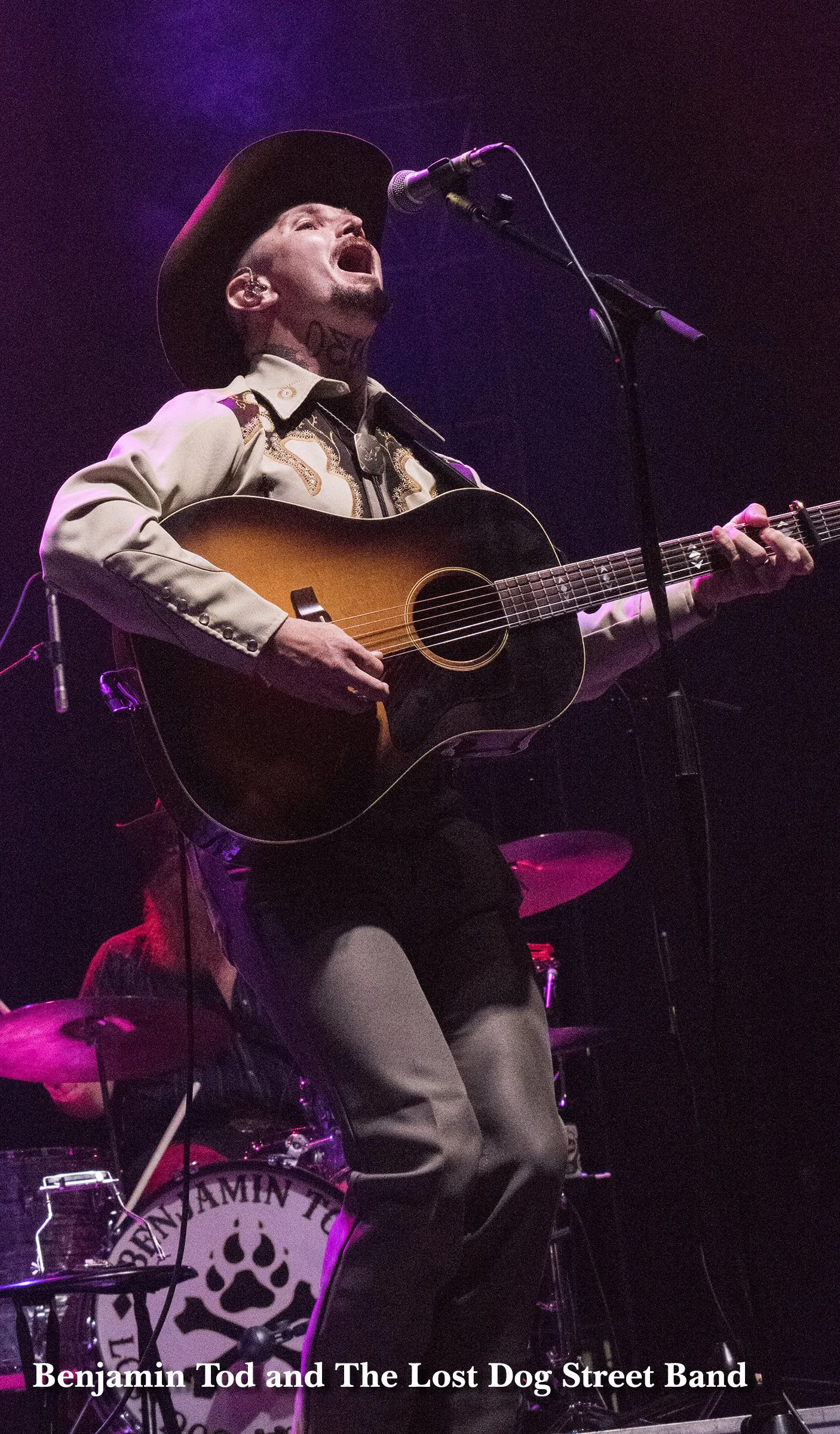
Onstage at Healing Appalachia 2024

Three Days earlier…
While walking around it was hard not to notice the hundreds of workers at Healing Appalachia who were all wearing bright red shirts. While waiting to go through security the first day I saw a red shirt girl taking the metal detector wand and waving it over her necklace. She did it over and over, making a “beat” with the noise it made as it passed over the metal. When she got to me, she must have been upset at the lack of noise the detector was making so she started making noises for it, “beeee-oooop, boop boop boop” she said as she passed it over me.
“Yer good honey, you can head on in.”
I started paying more attention to the “red shirts” after that. They were all working diligently, but at the same time “differently” than everyone else.
I said something to Healing Appalachia board member Thom Boggs about the people in red shirts and asked if he minded if I interviewed a few of them. He got this huge smile on his face and said,
“They are why we’re here. Yes, please talk to as many as you can.”
I knew Healing Appalachia was about ending addiction “or something” along those lines, but if you’re like me you’ve been to plenty of fundraisers, and after a while the heartfelt speeches and donation requests all blur together, and you just hope a couple bucks of your ticket money or donation makes it to those who really need it.
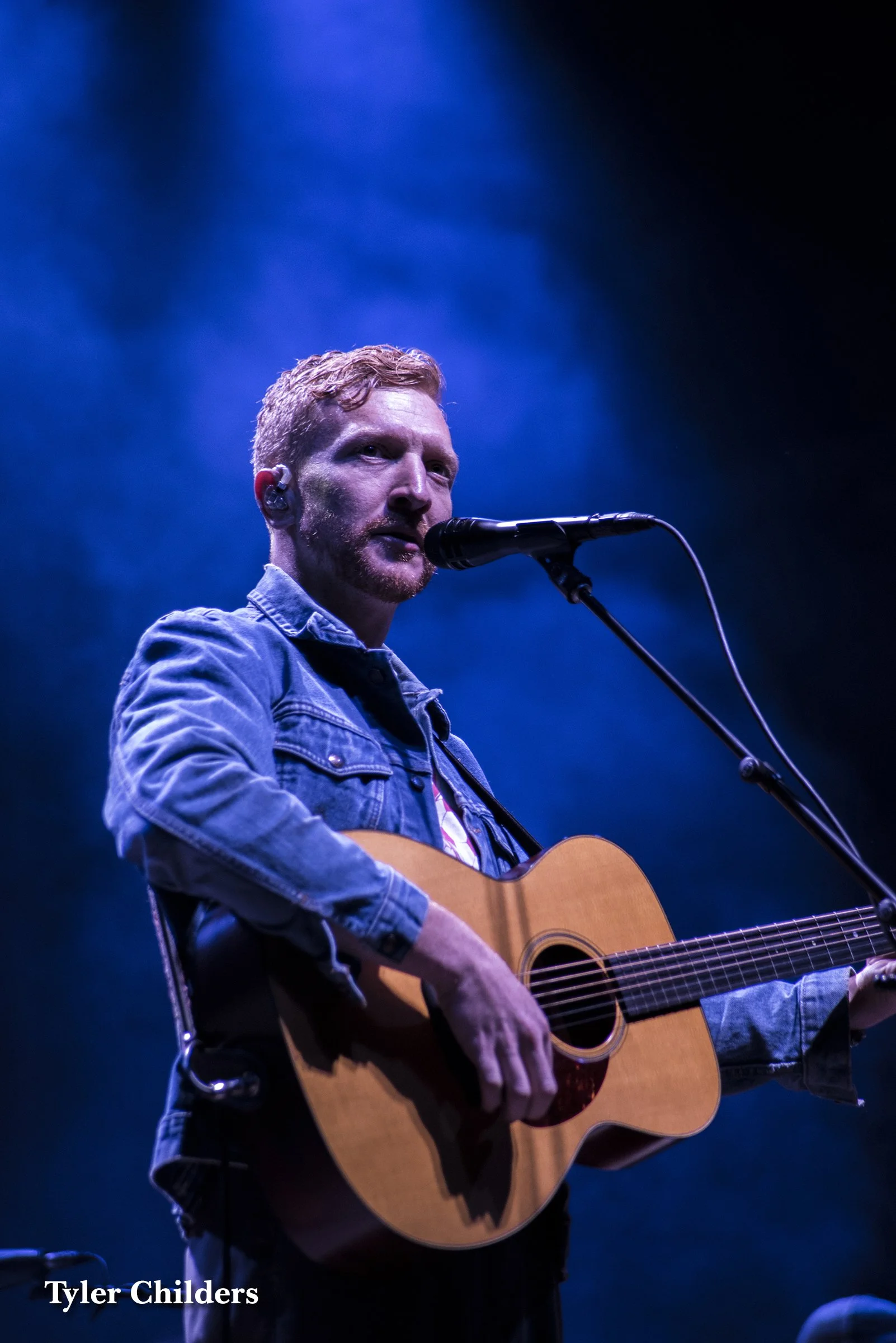
After I conducted a few interviews, my idea of what the festival was, had been turned upside down. I had to go on a walk alone for a moment to digest the stories I had just heard. The performers, Tyler Childers and Sierra Ferrell… big names yes, but they were small potatoes compared to what this festival was all about.
And what was it about?
Survival.
Love.
Pain.
Downfall.
Triumph.
It was about the beating hearts beneath those red shirts.

Izak Workman, Wyndum Childress, Willis Deberry, Bernie Everson
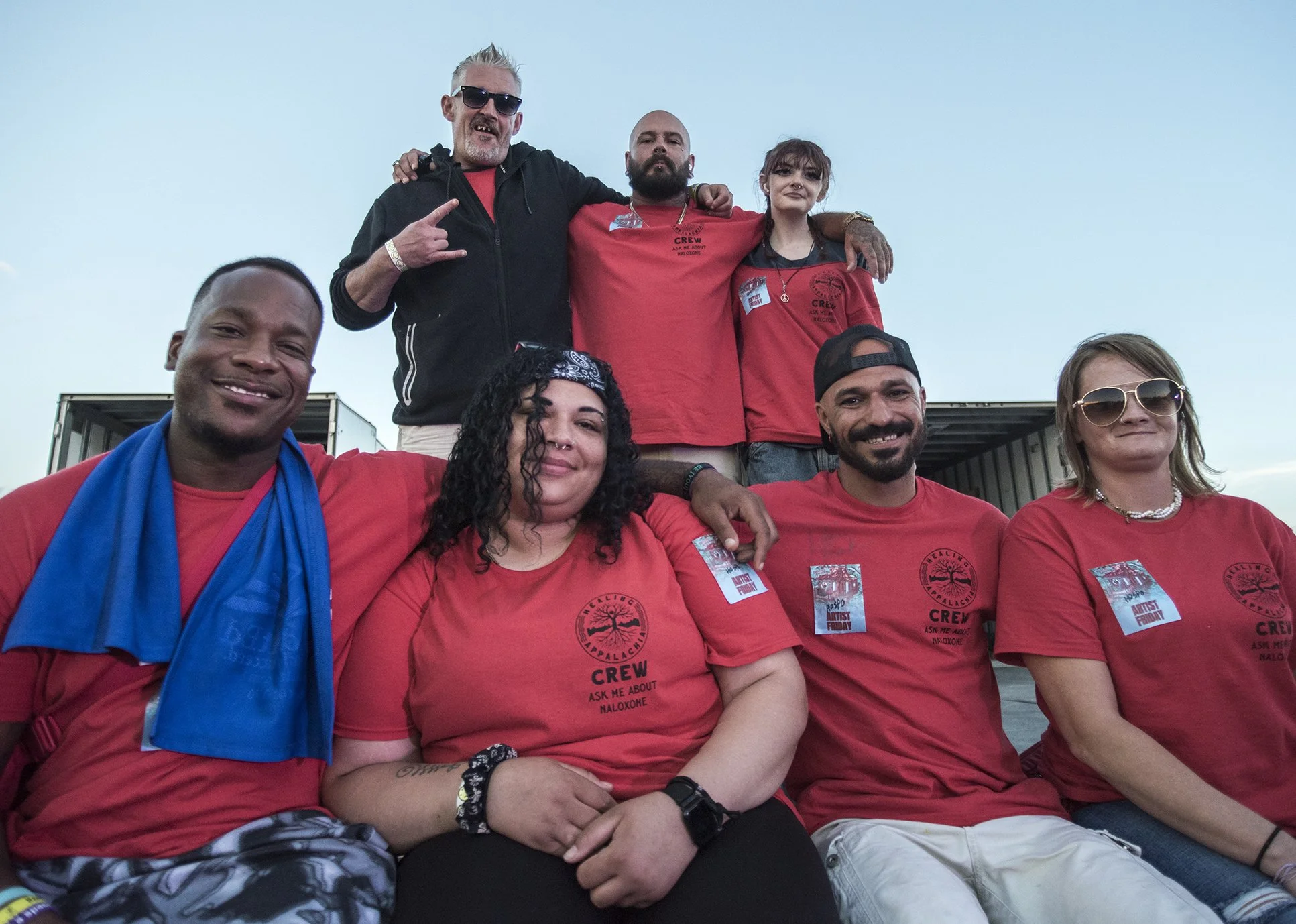
Antony Horton, Mark Laws, Shannon Jones, Shane Towles, Emerald, Joeseph Rush, Ashley Jones
Four hundred and fifty people from all over Appalachia had traveled from the recovery houses they were living in to spend a week camping and volunteering at the WV state fairgrounds to “Heal in Appalachia”.
Four hundred and fifty people actively in recovery from addiction. All of them working, laughing, crying, struggling, and helping each other live one day at a time.
Less than two months before he came to Healing Appalachia as a volunteer, Mark Laws had overdosed and was lying unconscious while his eighty-year-old mother was performing C.P.R. on him. Here now, from Bridge to Shore Recovery in Tennessee, and with fifty two days of sobriety under his belt he was able to return the favor as he was the one to perform C.P.R. on a gentleman during his first night working security. The result of which saved a life.
“It’s mind-bending.” He said as he pointed to a fellow red shirt, “Me and that guy on the end were in rehab together, we were looking at each other yesterday and saying we can't believe thirty days ago this is where we'd be. We’re just trying to pay it forward, just like it’s been done to us, and keep it going.”
I asked Antony Horton what it was like to make connections with people that have had some of the same struggles he’s had.
“Where I come from is manipulation and treachery. Usually if people try to help you it’s because of their gain, but with this community it’s not. They want to see you sheltered and clothed and then they want to ask you what’s going on between your ears [and ask] are you OK? They don’t use that [information] against you. That’s a beautiful thing at this point in my life, because I’ve never had that.”
Dave Lavender, president of Healing Appalachia explained that some of these people have made such bad mistakes that their families won’t speak to them anymore. He continued to say that many have no luck finding work, and that some have broken trust with people so many times that when they really need help, no one is willing to take a chance on them, leaving many without hope or the resources to rise from having fallen so far. You could see Dave’s expression change from despair to joy when he said that Healing Appalachia, is here to give them jobs, show them trust, and provide community for all.
“I feel pretty to be special here really, we’re recovering… and they’re allowing us to do a big responsibility, TRUSTING US to do big responsibility. It feels good [to be trusted].” Julie Lucas on what it means for her to be at Healing Appalachia.
I watched as the volunteers set up the stage, their iconic red shirts covered with signatures from musicians signing them. There were endless smiles as they worked the festival grounds together, chatting it up and enjoying the sun on their faces (and the rain on their backs). The work was being done gleefully, maybe not “perfectly” but gleefully. After some of the stories I’d heard them tell about death, despair and pain, I wouldn’t have thought that gleefully would be a word you could use to describe anyone who had gone through that much trauma. Yet they were gleeful.
“This is a very big deal. The whole point of Healing Appalachia is [that] it’s a healing process for everybody where we can get together and share our stories and know that we are not alone, that we can beat this addiction thing and people don’t have to die anymore. This is one of the best opportunities I’ve ever had.” Jamie Barrs
I watched board members Dave and Thom both transform from being focused with furrowed brows in the mountains of work it takes to keep the show running smoothly, to excited and cheerful when I told them of the positive connections I’d made. They should be, Hope in the Hills (the organizing body of Healing Appalachia) will have given away over one million dollars by the end of 2024 and is recognized as the world’s largest recovery-based music festival.
It’s a rare bird when you find a fundraiser of that size doing what it is supposed to be doing: helping people directly with no middleman. It’s another thing completely for them to be doing it so well, that the work becomes invisible, and you only see results in action. Red shirt after red shirt working in the trenches with one another, feeling alive, feeling needed, feeling normal. I know there are hard times that I don’t see, but from what I did see there were hearts full of love searching for a way to keep that feeling going.